



- HBA · 4 years
- Work experience details
- ~High 80s to low 90s


York University · Keele Campus.
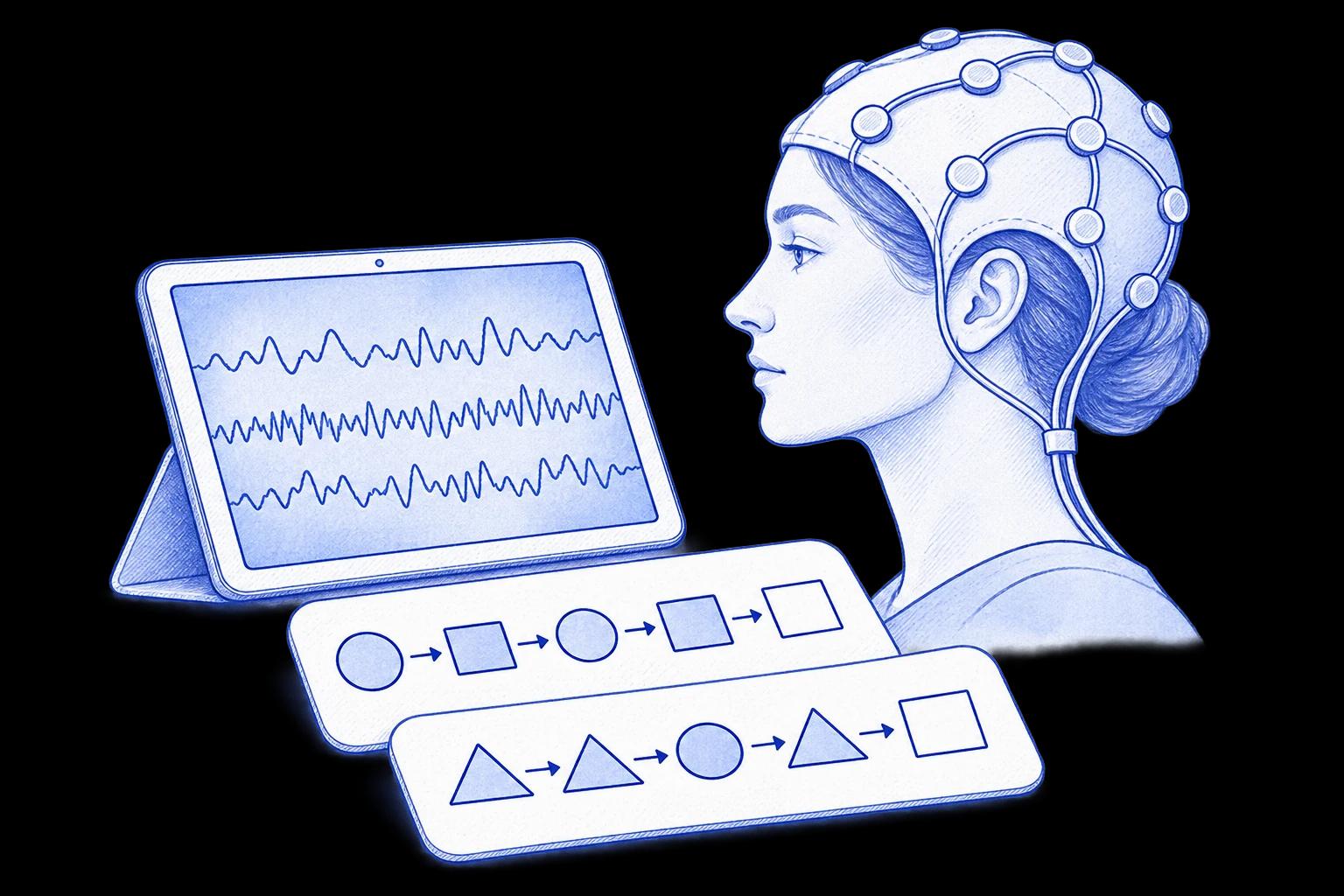
AI-generated ink illustration
Conceptual study artwork, not a photograph of teaching facilities.
Unidex · generated with ImageGen
Checked 2026-11-05
Symbolic subject artwork; no university facility depicted
Duration (years)
3 years normally for the 90-credit non-honours BA route
York current normal full-time bachelor degree definitionsEntering average
Published approximate guidance: Mid-to-High 70s. 2027/28. Ontario high-school entry in 2027/28, exact listed routes YHA/YHB. Later major/option selection and other applicant categories remain separate.
York U university-supplied OUInfo: Psychology (BA - Co-op available), Ontario entry 2027/28 November 2026
| Mon | Tue | Wed | Thu | Fri | Sat | Sun |
|---|---|---|---|---|---|---|
| 1 | ||||||
| 2 | 3 | 4 | 5 | 6 | 7 | 8 |
| 9 | 10 | 11 | 12 | 13 | 14 | 15 |
| 16 | 17 | 20 | 21 | 22 | ||
| 23 | 24 | 25 | 26 | 27 | 28 | 29 |
| 30 |

Winter 2027
Applies to Ontario high school, out-of-province high school, international, and university/college transfer and mature students alike. Verbatim: "Submit your application by the date(s) listed below for guaranteed consideration" and "we will continue to accept and assess applications until each program is full".
 Other deadline details
Verbatim: "There is no specific Undergraduate application deadline if you are a Group B applicant. Deadlines vary at each university and sometimes depend on the program. Visit the university websites or contact the universities directly for their deadlines. If you are interested in a program but the deadline has passed, you may contact the university's admission office for help. Be aware of university-specific deadlines for submitting transcripts and portfolios, if required, and for arranging interviews and auditions. You must ensure the OUAC has enough time to process your choices before the universities' program deadlines." OUAC defines Group B as anyone who does not meet the Group A criteria, e.g. not currently taking an Ontario high school course, a Canadian outside Ontario, an international applicant, a postsecondary transfer student, or a mature applicant.
 ENG4UENG4U
 SBI4U or SCH4U or SPH4U
Ontario high school applicants
College transfer applicants
University transfer applicants
Mature applicants
Applicants assessed on the full IB Diploma curriculum; exact BA programme variant
Psychology - Bachelor of Arts- 90 Credits
Psychology - Bachelor of Arts- Honours
Psychology - Bachelor of Arts- Honours Double Major
Psychology - Bachelor of Arts- Specialized Honours
Ontario high-school entry in 2027/28, exact listed routes YHA/YHB. Later major/option selection and other applicant categories remain separate.
York U university-supplied OUInfo: Psychology (BA - Co-op available), Ontario entry 2027/28York U university-supplied OUInfo: Psychology (BA - Co-op available), Ontario entry 2027/28These are distinct degree configurations. Choose the applicable configuration; every listed variant is not required.
BA
Study development and psychology in adulthood and later life.
Current Psychology BA first-year introductory course. The 90-credit, Honours and Specialized Honours requirements remain distinct; no BSc science requirements or advanced Psychology core is imposed on first year.
First year also includes general education and courses outside the major. They depend on the BA configuration. PSYC 1010 prepares students for later psychology courses; this is not a complete named-course timetable.
 PSYC 1010Introduction to Psychology6 credits
Psychological concepts and methods, including behaviour, learning, cognition, development and personality.
 ADMS 1777Disasters and History: How Humans and Nature make Disasters6 credits
Explore how nature and human societies produce disasters. Cannot satisfy the introductory History requirement for LA&PS History majors or minors.
ANCW 1100Gladiators, Gods, Gigolos, and Goths: Reading Roman Society, c.200 BCE-c.500 CE6 creditsInterpret texts and artefacts through Roman social history. Approved LA&PS humanities general education; not the introductory History major requirement.
ANCW 1105Myth and Imagination in Ancient Greece and Rome9 creditsCompare ancient and modern myths and their influence on literature and art. Approved LA&PS general education.
ANCW 1106Egypt in the Greek and Roman Mediterranean9 creditsExamine Egypt in the history and imagination of Greek and Roman Mediterranean cultures. Approved LA&PS general education.
ANCW 1710The Roots of Western Culture. The Ancient World (circa 1000 BC-400 AD)6 creditsExplore Greek, Roman and Judaeo-Christian thought through literature and philosophy. Approved LA&PS general education; cannot combine credit with HUMA 1110.
CLST 1115Transformations of Ancient Literature9 creditsStudy modern adaptations of ancient Greek and Latin literature and their contexts. Approved LA&PS general education.
DLLL 1000World Literatures in Perspective6 creditsExplore world literature across languages, cultures and time, including translation and cross-cultural exchange.
EN 1201The Literary Imagination6 creditsDevelop literary-analysis skills through literary, journalistic, philosophical, scientific and other texts.
EN 1202Satire6 creditsStudy satire in poetry, prose and drama from classical works to contemporary writing.
EN 1700Writing: Process and Practice9 creditsStudy writing theory and practice across fiction, nonfiction and poetry. Approved LA&PS humanities general education.
 ESL 1000Canadian Language and Culture6 credits
Develop academic English through Canadian society, culture and identity. Fulfils the published incoming ESL requirement.
ESL 1010Advancing Reading and Writing in Academic Contexts3 creditsDevelop academic reading, writing and critical thinking. For ESL-background undergraduates; not open to students with native English proficiency.
ESL 1015Advancing Oral Communication for ESL Students3 creditsDevelop academic conversation, group interaction and presentation skills. For ESL-background undergraduates; not open to students with native English proficiency.
ESL 1450Thinking about Contemporary Canada6 creditsStudy Canadian culture, belonging and nationhood while developing academic English. Fulfils the published ESL requirement for ESL-background students.
ESL 1790Modes of Reasoning: Reasoning In Everyday Language6 creditsPractice reasoning and critical communication. Requires an ESL restriction or instructor permission; approved humanities/social-science general education, but does not fulfil an ESL requirement.
FR 1005From Versailles to Vuitton: Discovering French Culture6 creditsExplore French culture through arts, literature, political thought and gastronomy. Does not count towards French major or minor credit.
GER 1790Nationalism, Authority and Resistance: Perspectives on German Culture and Society9 creditsExamine German culture through nationalism, democracy, authority, resistance and historical memory.
GER 1791The Fairy Tale: From Grimm To Disney6 creditsStudy fairy tales, their origins and their changing roles in media and popular culture.
GER 1793Nationalism, Authority and Resistance: Perspectives on German Culture and Society6 creditsExamine German culture through nationalism, democracy, authority, resistance and historical memory.
GSWS 1600Introduction to Sexuality Studies9 creditsStudy sexuality, power and identity through interdisciplinary, intersectional and transnational perspectives.
GSWS 1601Introduction to Sexuality Studies6 creditsStudy sexuality, power and identity through interdisciplinary, intersectional and transnational perspectives.
 HIST 1030Imperialism, Nationalism, and Economic Development in Modern Asia6 credits
Study imperialism, nationalism and historical debates in modern Asia. Cannot satisfy the introductory History requirement for LA&PS History majors or minors.
HIST 1095Streetlife: The Culture and History of European Cities6 creditsStudy European urban history through culture, architecture and social change. Cannot satisfy the introductory History requirement for History majors or minors.
HIST 1100Gladiators, Gods, Gigolos, and Goths: Reading Roman Society, c.200 BCE-c.500 CE6 creditsInterpret ancient texts and artefacts through Roman social history. Cannot satisfy the introductory History requirement for LA&PS History majors or minors.
HIST 1170History's Greatest Hits6 creditsExplore selected major historical events through guest faculty modules. Topics change each year.
HIST 1180Making Money6 creditsExamine money through historical, economic, cultural and social perspectives. Cannot satisfy the introductory History requirement for History majors or minors.
 HIST 1190The Jewish Experience, Civilization and Culture6 credits
Study Jewish interactions, adaptation and influence from antiquity to the twentieth century. Cannot satisfy the introductory History requirement for History majors or minors.
HIST 1777Disasters and History: How Humans and Nature make Disasters6 creditsExplore how nature and human societies produce disasters. Cannot satisfy the introductory History requirement for LA&PS History majors or minors.
HUMA 1005From Versailles to Vuitton: Discovering French Culture9 creditsExplore French culture through arts, literature, politics and gastronomy. Taught in English; no French-language knowledge required.
HUMA 1100Worlds of Ancient Greece and Rome9 creditsStudy ancient Greek and Roman literary, philosophical and political ideals through translated texts and visual arts.
HUMA 1105Myth and Imagination in Ancient Greece and Rome9 creditsCompare ancient and modern myths and their influences on literature and art.
HUMA 1106Egypt in the Greek and Roman Mediterranean9 creditsExamine Egypt in the history and imagination of Greek and Roman Mediterranean cultures.
HUMA 1110Greek and Biblical Traditions9 creditsExplore Greek and Biblical traditions shaping personal and community life. Cannot combine credit with HUMA 1710.
HUMA 1115Transformations of Ancient Literature9 creditsStudy modern adaptations of ancient Greek and Latin literature. Approved LA&PS general education.
HUMA 1125Civilization of Medieval and Renaissance Europe9 creditsTrace European culture from the Middle Ages through the Renaissance using literature, music, ideas and visual arts.
HUMA 1160The Enlightenment and Human Understanding9 creditsExamine Enlightenment writers and thinkers concerning experience, knowledge and truth.
HUMA 1165Gods and Humans9 creditsExplore relationships between gods and humans in literature, art and philosophy.
HUMA 1170The Modern Age: Shapers and Definers9 creditsStudy influential figures and movements in modern Western art and intellectual life.
HUMA 1190Nationalism, Authority and Resistance: Perspectives on German Culture and Society9 creditsExamine German culture through nationalism, authority, resistance and historical memory. Approved LA&PS humanities general education.
HUMA 1200Contexts of Canadian Culture9 creditsCompare Canadian cultural expression with other cultures, especially in the twentieth century. Cannot combine credit with HUMA 1740.
HUMA 1205Indigenous Peoples, Race, and Settler Colonialism6 creditsExamine settler-colonialism theories and the positions of Indigenous, Black and other racialized peoples in Canadian society.
HUMA 1206Indigenous Culture and Language6 creditsStudy Indigenous language and cultural revitalization and the knowledge carried by languages.
HUMA 1207Indigenous Peoples and Relationship to Land6 creditsExamine Indigenous relationships with land, resistance to resource extraction and alternative economies.
HUMA 1220Canadian Language and Culture6 creditsDevelop academic English through Canadian culture and identity. Approved LA&PS humanities general education; fulfils the incoming ESL requirement.
HUMA 1250Diaspora communities and global cultures: Literature, arts, and imagination6 creditsExplore migration and diaspora through literature, music, film and theories of cultural identity.
HUMA 1300The Cultures of Resistance in the Americas: The African American Experience9 creditsExamine cultural resistance to oppression among African-descended, Indigenous and mixed communities across the Americas.
HUMA 1320Ideas of America: The Cultures of North America6 creditsCompare North American cultures from European contact onward, including imperialism, nationalism and popular culture.
HUMA 1400Culture and Society in East Asia9 creditsExplore traditional East Asian society through eighteenth-century daily life in Beijing, Edo and surrounding rural areas.
HUMA 1420Introduction to Korean Culture9 creditsSurvey Korean literary, social, religious and political culture from ancient times to the present.
HUMA 1435Japanese Culture, Literature and Film9 creditsCompare Japanese literature, manga, film adaptations and anime across classical, modern and postmodern works.
HUMA 1625Fantasy and Topographies of Imagination9 creditsExamine fantasy and storytelling as ways of shaping experience, resisting oppression and building communities.
HUMA 1700Writing: Process and Practice9 creditsStudy writing theory and practice across fiction, nonfiction and poetry. Approved LA&PS humanities general education.
HUMA 1710The Roots of Western Culture. The Ancient World (circa 1000 BC-400 AD)6 creditsExplore Greek, Roman and Judaeo-Christian thought through literary, philosophical and religious texts. Cannot combine credit with HUMA 1110.
HUMA 1720The Roots of Western Culture. The Modern Period (circa 1500-1900)6 creditsExamine modern ideas about human identity through debates since the Reformation and scientific revolution.
HUMA 1740The Roots of Modern Canada6 creditsStudy Canadian culture through history, literature, politics and visual arts. Cannot combine credit with HUMA 1200.
HUMA 1745Thinking about Contemporary Canada6 creditsExplore Canadian culture, arrival and belonging. May fulfil humanities general education or elective credit, and the incoming ESL requirement for ESL students.
HUMA 1751Italian Culture: The Great Ideas and the Masterworks6 creditsExplore Italian literature, arts, politics and philosophy from the Middle Ages to Romanticism. Approved LA&PS humanities general education.
HUMA 1761Italian Cinema, Literature and Society9 creditsStudy Italian films and social change since the Second World War. Approved LA&PS general education.
HUMA 1770One World: Historical and Cultural Perspectives of Globalization6 creditsExamine historical and cultural globalization, emphasizing interactions from 1500 to the present.
 HUMA 1780Stories in Diverse Media6 credits
Compare recurring stories across film, literature, music, theatre and visual arts.
HUMA 1793Nationalism, Authority and Resistance: Perspectives on German Culture and Society6 creditsExamine German culture through nationalism, authority, resistance and historical memory.
 HUMA 1825Law and Morality in Literature and Culture9 credits
Explore law and morality through literature, film, philosophy and modern court cases.
HUMA 1840Existence, Freedom and Meaning: The Idea of Human in European Thought9 creditsRead European literature, philosophy, religion and science since the Renaissance to examine ideas about humanity.
HUMA 1844Muslim Travel Narratives: Journeys through the Muslim World6 creditsExplore diversity in the Muslim world through travel narratives and memoirs. Approved LA&PS humanities general education.
HUMA 1845Islamic Traditions6 creditsStudy Islamic beliefs, rituals, doctrines and teachings from their origins to the present. The publisher's credit-exclusion text is incomplete.
HUMA 1846Arts and Culture in South Asia6 creditsExamine South Asian cultural expression in relation to religion, history and politics.
HUMA 1847Sikhs and Sikhi(sm): Texts, Contexts, and Living Traditions9 creditsStudy Sikh historical, cultural and religious traditions from fifteenth-century Punjab to contemporary diaspora communities.
HUMA 1850The Bible and Modern Contexts6 creditsExamine Biblical texts, historical contexts and contemporary questions about religion, ethics and interpretation.
HUMA 1855Buddhism and Asian Cultures9 creditsStudy Buddhist ideas and living traditions through Asian cultures, philosophy, art, ethics and politics.
HUMA 1860The Nature of Religion: An Introduction6 creditsStudy religious faith, symbols, beliefs and methods of religious inquiry. Cannot combine credit with HUMA 1865; other published exclusions are incomplete.
HUMA 1865Introduction to World Religions6 creditsCompare religious histories, texts and practices. Traditions vary by year; cannot combine credit with HUMA 1860, and other published exclusions are incomplete.
HUMA 1870The Hebrew Bible/Old Testament and the Arts6 creditsExplore Hebrew Bible passages and their interpretation through Western art, music, literature and cinema.
HUMA 1875Christianity in Context9 creditsStudy Christian movements, texts, beliefs and practices from their origins to the present.
HUMA 1880The Jewish Experience, Civilization and Culture6 creditsExamine Jewish culture, identity and adaptation. Cannot satisfy the introductory History requirement for History majors or minors.
HUMA 1881Gender and Sexuality in Judaism, Christianity and Islam6 creditsCompare Jewish, Christian and Muslim approaches to gender and sexuality through historical and contemporary sources.
HUMA 1900Introduction to Traditional and Popular Culture9 creditsAnalyze traditional and popular culture through oral communication and mass media.
HUMA 1905Dangerous Visions, Brave New Worlds: The Science Fiction Culture and Our Scientific Age9 creditsExplore how science fiction expresses changing attitudes towards science and technology.
HUMA 1909Techno-Science and Popular Culture6 creditsExamine popular-media representations of science and technology, including their cultural hopes and fears.
HUMA 1910Science and the Humanities: Nature and Human Nature9 creditsExamine relationships between scientific and humanistic ideas about humans and nature.
HUMA 1911Darwin, Einstein and the Humanities9 creditsStudy the origins and influence of Darwin's and Einstein's ideas. Approved LA&PS general education.
HUMA 1915Animals and the Imagination9 creditsExplore representations of animals and relationships between animals, humans, nature and culture.
HUMA 1950Concepts of Male and Female in the West6 creditsStudy Western concepts of gender through myths, literature, art and artefacts. Cannot combine credit with HUMA 1951.
HUMA 1951Introduction to Gender: History, Culture and Ideology9 creditsExamine Western gender categories through history and popular culture. Cannot combine credit with HUMA 1950.
HUMA 1971Understanding Children and Youth9 creditsStudy cultural ideas about childhood. Approved LA&PS humanities general education; does not count towards the Children's Studies major.
IT 1070Food and Culture in Italy and Beyond6 creditsExplore food and Italian identity through literature, art, film and culinary history. Approved LA&PS humanities general education; open across York faculties.
IT 1751Italian Culture: The Great Ideas and the Masterworks6 creditsExplore Italian literature, arts, politics and philosophy from the Middle Ages to Romanticism.
IT 1761Italian Cinema, Literature and Society9 creditsStudy Italian films in the context of social transformation since the Second World War.
JWST 1850The Bible and Modern Contexts6 creditsExamine Biblical texts, their historical contexts and contemporary questions about religion and ethics.
JWST 1870The Hebrew Bible/Old Testament and the Arts6 creditsExplore Hebrew Bible passages and their interpretation through Western art, music, literature and cinema.
JWST 1880The Jewish Experience, Civilization and Culture6 creditsStudy Jewish identity, adaptation and relations with other communities. Cannot satisfy the introductory History requirement for History majors or minors.
JWST 1881Gender and Sexuality in Judaism, Christianity and Islam6 creditsCompare Jewish, Christian and Muslim approaches to gender and sexuality through historical and contemporary sources.
LING 1430Language, Power and Persuasion3 creditsAnalyze how language creates and maintains power in political, legal, cultural and classroom discourse.
MODR 1730Modes of Reasoning: Reasoning About Social Issues6 creditsPractice critical thinking, research writing and qualitative and quantitative analysis of social issues. Cannot combine credit with MODR 1760 or 1770.
MODR 1760Modes of Reasoning: Reasoning About Morality and Values6 creditsPractice critical thinking, writing and logical analysis of values. Cannot combine credit with MODR 1730 or 1770.
MODR 1770Modes of Reasoning: Techniques of Persuasion6 creditsStudy persuasion through critical thinking, writing and argumentation. Approved humanities or social-science general education; excludes MODR 1730 and 1760 credit.
MODR 1790Modes of Reasoning: Reasoning In Everyday Language6 creditsDevelop ESL-focused reasoning and communication. Enrolment permission is granted for an ESL requirement or demonstrated need; approved humanities or social-science general education.
RLST 1105Myth and Imagination in Ancient Greece and Rome9 creditsCompare ancient and modern myths and their influence on literature and art.
RLST 1165Gods and Humans9 creditsExplore relationships between gods and humans in literature, art and philosophy.
RLST 1400Culture and Society in East Asia9 creditsStudy eighteenth-century East Asian daily life in Beijing, Edo and surrounding rural areas.
RLST 1710The Roots of Western Culture. The Ancient World (circa 1000 BC-400 AD)6 creditsExplore Greek, Roman and Judaeo-Christian thought through literary, philosophical and religious texts. Cannot combine credit with HUMA 1110.
RLST 1844Muslim Travel Narratives: Journeys through the Muslim World6 creditsExplore diversity in the Muslim world through travel narratives and memoirs. Approved LA&PS humanities general education.
RLST 1845Islamic Traditions6 creditsStudy Islamic beliefs, rituals, doctrines and teachings. A published credit-exclusion variant is incomplete.
RLST 1847Sikhs and Sikhi(sm): Texts, Contexts, and Living Traditions9 creditsStudy Sikh history, culture and religion from fifteenth-century Punjab to contemporary diaspora communities.
RLST 1850The Bible and Modern Contexts6 creditsExamine Biblical texts, their historical contexts and contemporary questions about religion and ethics.
RLST 1855Buddhism and Asian Cultures9 creditsStudy Buddhist ideas and living traditions through Asian cultures, philosophy, art, ethics and politics.
RLST 1860The Nature of Religion: An Introduction6 creditsStudy religious faith, symbols, beliefs and methods of religious inquiry. HUMA 1865 credit is excluded; another published variant is incomplete.
RLST 1865Introduction to World Religions6 creditsCompare religious histories, texts and practices. Traditions vary by year; HUMA 1860 credit is excluded and another published variant is incomplete.
RLST 1870The Hebrew Bible/Old Testament and the Arts6 creditsExplore Hebrew Bible passages and their interpretation through Western art, music, literature and cinema.
RLST 1875Christianity in Context9 creditsStudy Christian movements, texts, beliefs and practices from their origins to the present.
RLST 1880The Jewish Experience, Civilization and Culture6 creditsExamine Jewish adaptation and interactions with other communities. Cannot satisfy the introductory History requirement for History majors or minors.
RLST 1881Gender and Sexuality in Judaism, Christianity and Islam6 creditsCompare Jewish, Christian and Muslim approaches to gender and sexuality through historical and contemporary sources.
WRIT 1700Writing: Process and Practice9 creditsStudy writing theory and practice across fiction, nonfiction and poetry. Approved LA&PS humanities general education.
WRIT 1701Writing as Cultural Practice9 creditsDevelop academic writing through cultural texts and critical approaches. Approved LA&PS humanities general education.
WRIT 1702Becoming a Better Writer: Methods and Models6 creditsDevelop academic and professional writing through essays, criticism and projects. Approved LA&PS humanities general education.
 ENVS 1100The land we're on: Treaties, Art and Environment3 credits
Explore land and treaty relationships, emphasizing Indigenous perspectives through art and media analysis.
HLST 1120Uncovering the Body: Interdisciplinary Perspectives6 creditsExamine the body through interdisciplinary, experiential and arts-based inquiry. Approved Faculty of Health general education in humanities or social science.
IHST 1020Agents of Change in a Global World6 creditsStudy global health, change processes and leadership through blended and experiential learning. Approved Faculty of Health general education.
CMDS 1001Being a Digital Citizen3 creditsExamine digital citizenship, ethics and the effects of digital technologies on everyday life.
CMDS 1002Mobilizing Digital Citizenship3 creditsDevelop a collaborative digital prototype addressing ethics and equity. Requires CMDS 1001.
CMDS 1630Video Gaming and Society3 creditsStudy digital games as technologies shaped by Canadian and global society.
ESL 1200Society and Culture6 creditsStudy social issues while developing academic English. Approved LA&PS social-science general education; restricted to ESL-background students without native English proficiency.
GSWS 1501Introduction to Gender, Sexuality & Women’s Studies9 creditsExplore gender and sexuality through historical and contemporary feminist and queer scholarship.
GSWS 1502Introduction to Gender, Sexuality & Women’s Studies6 creditsExplore gender and sexuality through historical and contemporary feminist and queer scholarship.
HIST 1791Migration, Immigration and Beyond: Italians in North America6 creditsExamine North American culture's and language's effects on Italian immigrants and their descendants.
HREQ 1040Power & Society: Critical issues in Social Justice6 creditsExamine power, institutions and social injustice. Approved LA&PS social-science general education; does not count as HREQ major credit.
HREQ 1700Women and Human Rights6 creditsStudy women's rights movements, abuses and international protections. Approved LA&PS social-science general education; does not count as HREQ major credit.
HREQ 1710Globalization and the Human Condition6 creditsExamine globalization, human rights and social equity. Approved LA&PS social-science general education; does not count as HREQ major credit.
HREQ 1720Themes of Emancipation in Modern Society6 creditsExamine capitalism, imperialism, globalization and liberal democracy. Does not count as HREQ major credit.
HREQ 1730Urbanization and Community Action6 creditsStudy urbanization, equity and community responses. Approved LA&PS social-science general education; does not count as HREQ major credit.
HREQ 1740Rights in the Workplace6 creditsExamine workplace rights, labour struggles, pay equity and safety through a human-rights perspective.
 HREQ 1760Political Economy of Canada in a Global Perspective6 credits
Survey Canada's political, social and economic problems. Does not count as HREQ major credit.
HREQ 1800Justice for Children6 creditsExamine children's rights through family, education, media and law. Approved LA&PS social-science general education; does not count as HREQ major credit.
HREQ 1880Social Change in Canada6 creditsStudy Canadian social change, equity movements and reconciliation. Approved LA&PS social-science general education; does not count as HREQ major credit.
HREQ 1900Sexuality, Gender and Society6 creditsExamine sexuality, gender and identity as human-rights issues. Approved LA&PS social-science general education; does not count as HREQ major credit.
HREQ 1910Poverty, Dispossession, and Human Rights6 creditsExamine poverty, dispossession and institutions shaping inequality. Approved LA&PS social-science general education; does not count as HREQ major credit.
HREQ 1920Gendered Encounters6 creditsStudy gender, relationships, respect and equity. Approved LA&PS social-science general education; does not count as HREQ major credit.
 HREQ 1930Health and Equity6 credits
Examine health, social structures and health-care institutions. Approved LA&PS social-science general education; does not count as HREQ major credit.
HREQ 1940Human Rights and Equity Issues in Ontario6 creditsAnalyze Ontario's human-rights and regional-equity issues. Approved LA&PS social-science general education; does not count as HREQ major credit.
HREQ 1950Prospects and Perils of Globalization6 creditsExamine globalization's benefits and human-rights risks. Approved LA&PS social-science general education; does not count as HREQ major credit.
HREQ 1960Indigenous Rights and Resistance in a Global Context6 creditsStudy Indigenous rights and resistance to colonialism. Approved LA&PS social-science general education; does not count as HREQ major credit.
IT 1791Migration, Immigration and Beyond: Italians in North America6 creditsExamine North American culture's and language's effects on Italian immigrants and their descendants.
SOSC 1000Introduction to Social Science6 creditsStudy modern society and its institutions using social-science concepts. Cannot combine credit with the nine-credit SOSC 1000 or 1009 versions.
SOSC 1009Introduction to Social Science (ESL)9 creditsStudy modernization and its effects on family, religion, economics, politics and beliefs through social-science concepts.
SOSC 1012Understanding Social Theory9 creditsExplore the development of social theory from philosophy, political theory and economics.
SOSC 1040Power & Society: Critical issues in Social Justice6 creditsExamine power, institutions and injustice. Approved LA&PS social-science general education; does not count as HREQ major credit.
SOSC 1130International Migration9 creditsStudy migration, host societies and Canadian examples. Approved LA&PS general education; cannot combine credit with SOSC 1139.
SOSC 1139International Migration (ESL)9 creditsStudy migration, host societies and Canadian examples. Approved LA&PS general education; cannot combine credit with SOSC 1130.
SOSC 1140Self, Culture and Society: Critical Perspectives9 creditsExamine self, culture and society through interdisciplinary social-science perspectives. HREQ 1710 and SOSC 1710 credit is excluded.
SOSC 1142Climate Change and Society9 creditsExamine climate change through social relationships, power structures and inequality.
SOSC 1185Women and Society9 creditsStudy women's experiences, discrimination and social-justice organizing. HREQ 1700 and SOSC 1700 credit is excluded.
SOSC 1200Canadian Problems9 creditsAnalyze selected contemporary Canadian public-policy problems. Topics are chosen each year.
SOSC 1340Introduction to Business and Society9 creditsStudy capitalism's development and relationships between business and society. Other SOSC 1340 and 1349 credit variants are excluded.
SOSC 1341Introduction to the Social Economy9 creditsExamine co-operatives, credit unions, worker-owned firms and nonprofits as forms of the social economy.
SOSC 1349Introduction to Business and Society (ESL)9 creditsStudy capitalism's development and relationships between business and society. Approved LA&PS general education; some published exclusion details are incomplete.
SOSC 1350Gender and the Law9 creditsExamine gender and the legal system through legislation, case law and current issues.
SOSC 1430Introduction to International Development Studies9 creditsExamine development theories, practices and consequences through historical case studies. HREQ 1910, SOSC 1910 and 1439 credit is excluded.
SOSC 1439Introduction to International Development Studies (ESL)9 creditsExamine development theories, practices and consequences through historical case studies. HREQ 1910, SOSC 1910 and 1430 credit is excluded.
SOSC 1440Introduction to Cross-Cultural Studies: The Family, Production and Social Groups9 creditsCompare families and work across cultures using social-science approaches. Approved LA&PS general education.
SOSC 1510The Future of Work6 creditsExamine changing work, leisure and unemployment in Canadian society. Cannot combine credit with HREQ 1740 or SOSC 1740.
SOSC 1520Markets and Democracy9 creditsExamine market economies, social institutions and tensions between capitalism and democracy.
SOSC 1660Crime, Deviance and Popular Culture6 creditsStudy crime and justice through popular media, including social consequences of crime narratives.
SOSC 1700Women and Human Rights6 creditsStudy women's rights movements and international protections. Approved LA&PS social-science general education; does not count as HREQ major credit.
SOSC 1710Globalization and the Human Condition6 creditsStudy people, environments, socialization, beliefs and personality through social-science perspectives. Approved LA&PS social-science general education; does not count as HREQ major credit.
SOSC 1720Themes of Emancipation in Modern Society6 creditsExamine capitalism, imperialism, globalization and liberal democracy. Approved LA&PS social-science general education; does not count as HREQ major credit.
SOSC 1730Urbanization and Community Action6 creditsStudy urbanization, equity and community responses. Approved LA&PS social-science general education; does not count as HREQ major credit.
SOSC 1731CyberCities: The Community and Communication in Changing Urban Areas9 creditsExamine technology, communication and changing patterns of community, work and urban life.
SOSC 1732The Culture of Cities6 creditsExplore cities and urban culture through historical and visual perspectives. Cannot combine credit with the nine-credit SOSC 1732 version.
SOSC 1733World of Cities: Journeys through Urban Space and Time6 creditsCompare cities across places and historical periods. Open to all first-year students and required for Urban Studies majors.
SOSC 1740Rights in the Workplace6 creditsExamine workplace rights, labour struggles, pay equity and safety through a human-rights perspective.
SOSC 1750Development of Urban Economies: Comparing Canada and the Third World9 creditsCompare urban economic development, industrialization and dependency in Canada and developing countries. Approved LA&PS general education.
SOSC 1760Political Economy of Canada in a Global Perspective6 creditsSurvey Canadian political, social and economic issues. Approved LA&PS social-science general education; does not count as HREQ major credit.
SOSC 1800Justice for Children6 creditsExamine childhood socialization, literacy, family, education and work. Approved LA&PS social-science general education; does not count as HREQ major credit.
SOSC 1801Health Controversies: Issues of Health, Illness and Society6 creditsExplore health controversies through political, economic, cultural and historical perspectives. Cannot combine credit with SOSC 1809.
SOSC 1809Health Controversies: Issues of Health, Illness and Society (ESL)6 creditsExplore health controversies through political, economic, cultural and historical perspectives. Cannot combine credit with the six-credit SOSC 1801 version.
SOSC 1880Social Change in Canada6 creditsStudy Canadian social change, equity and reconciliation. Approved LA&PS social-science general education; does not count as HREQ major credit.
SOSC 1900Sexuality, Gender and Society6 creditsExamine sexuality, gender and identity as human-rights issues. Approved LA&PS social-science general education; does not count as HREQ major credit.
SOSC 1910The Global South and Human Rights6 creditsStudy human rights, economic equity and development in the Global South. Approved LA&PS social-science general education; does not count as HREQ major credit.
SOSC 1911Education and Social Change9 creditsExamine educational systems and social change, emphasizing Canada. Approved LA&PS general education.
SOSC 1920Male-Female Relationships6 creditsExamine relationships through property, sexuality, socialization and culture. Approved LA&PS social-science general education; does not count as HREQ major credit.
SOSC 1930Health and Equity6 creditsStudy health, medicine and equity in social and cultural contexts. Approved LA&PS social-science general education; does not count as HREQ major credit.
SOSC 1940Human Rights and Equity Issues in Ontario6 creditsExamine Ontario policy debates about trade, technology, resources and government. Approved LA&PS social-science general education; does not count as HREQ major credit.
SOSC 1950Prospects and Perils of Globalization6 creditsAnalyze technological possibilities and emerging social risks. Approved LA&PS social-science general education; does not count as HREQ major credit.
SOSC 1960Indigenous Rights and Resistance in a Global Context6 creditsStudy Indigenous resistance and relationships with land and culture. Approved LA&PS social-science general education; does not count as HREQ major credit.
SP 1200Film and Social Change in Spain & Latin America6 creditsStudy film and social change in Spain and Latin America. Approved LA&PS humanities general education.
WRIT 1703Writing Process: Invention, Originality, and Ethics6 creditsStudy invention, originality and ethics through social-science writing and ethnographic methods. Approved LA&PS social-science general education.
EDST 1000What Is Education For?3 creditsExplore educational purposes, values, authority, power and freedom through philosophy and theory.
EDST 1100Situated Learning and Education3 creditsCompare situated learning with other theories and examine relationships among learners, teachers and educational contexts.
EDST 1200Place and Learning3 creditsExamine physical spaces and learning through design, environmental studies and Indigenous land-based education.
GEOG 1000The World Today: An Introduction to World Geography6 creditsUse geographic concepts to examine global social, political, economic and ecological change.
 NATS 1500Statistics and Reasoning in Modern Society3 credits
Apply statistical reasoning to everyday decisions. No credit after or while taking listed statistics courses, including PSYC 2020/2021/2022 and KINE 2050/3150.
NATS 1505Understanding Cyberspace3 creditsExamine everyday communication technologies and their social effects. Cannot combine credit with NATS 1700.
 NATS 1506Understanding Artificial Intelligence3 credits
Explore AI concepts and applications through hands-on tools. Not open after or while taking ITEC 4310, EECS 3401 or 4401.
NATS 1510The History of the Environment3 creditsTrace Earth's environmental history from planetary formation through human civilization.
NATS 1512Environmental Pollution3 creditsStudy pollution sources, transport and remediation. No credit after or while taking CHEM 3060 or 3061.
NATS 1515Atmospheric Pollution3 creditsStudy atmospheric pollutants, their effects and mitigation. No credit after or while taking CHEM 3061.
NATS 1516Water Pollution3 creditsExamine water pollution, ecosystems and treatment. No credit after or while taking CHEM 3060 or 3061.
 NATS 1520The Science and Technology of Music3 credits
Study sound, musical instruments and technologies of performance, production and broadcasting. Cannot combine credit with NATS 1720.
NATS 1524Astronomy Across Cultures3 creditsExplore astronomy across cultures through myths, navigation, timekeeping and celestial observation. Cannot combine credit with NATS 1795.
NATS 1525Extraterrestrial Life: A Modern Discussion to include Historical, Religious and Cultural Aspects3 creditsStudy the search for extraterrestrial life and its historical, religious, cultural and scientific contexts.
NATS 1530Science of Space Flight and Exploration3 creditsStudy spaceflight science, technology and exploration. Not open to students in Lassonde's Earth and Space Science and Engineering programme.
NATS 1532Human Spaceflight: Exploring the Final Frontier3 creditsExamine human space travel, environmental challenges, protective technologies and space law.
NATS 1535Global Cultures of Science and Technology3 creditsExplore scientific knowledge and technology as global efforts shaped by many cultures.
NATS 1540Theories of Dinosaur Extinction3 creditsExamine competing dinosaur-extinction theories and the evidence and objections behind them.
NATS 1545Rocks and Resources3 creditsStudy rocks, minerals, extraction and resource impacts. No credit after or while taking ESSE 1012.
NATS 1550Science of Animal Migration3 creditsStudy animal migration and human impacts. Not open after or while taking BIOL 1000, 1001 or 1010.
NATS 1560Understanding Food3 creditsExamine food production, nutrition and health. No credit if NATS 1910 has been completed.
NATS 1565Plant Life, Human Life3 creditsExplore relationships between plants, people and ecosystems. No credit after or while taking BIOL 1000, 1001 or 1010.
NATS 1570Exploring the Solar System3 creditsStudy Solar System objects and processes. Astronomy-stream students are excluded, as are students who passed or are taking PHYS 1070 or 1470.
NATS 1575Introduction to Forensic Science3 creditsExplore forensic science, evidence analysis and expert testimony. No credit after or while taking CHEM 1000, 1001 or equivalents.
NATS 1578Drugs & Society: Medicines, Narcotics and Poisons3 creditsExamine pharmaceuticals through scientific development, regulation, industry, medicine and social questions.
NATS 1580Sun, Space Weather and Life on Earth3 creditsStudy solar activity and its effects on near-Earth conditions, astronauts, technology and infrastructure.
NATS 1585Astronomy: Exploring the Universe3 creditsExplore stars, galaxies and the universe. Astronomy-stream students are excluded, as are students who passed or are taking PHYS 1070 or 1470.
NATS 1590The Mathematics of Politics3 creditsStudy voting, social choice and game theory. Not open after or while taking AP/ECON 4130 or GL/ECON 4340.
 NATS 1595The Mathematics of Biology3 credits
Explore mathematical patterns and models in biology. Not open to students in a Mathematics programme.
NATS 1610The Living Body6 creditsStudy human biology, physiology, genetics and disease through self-paced labs. No credit after or while taking BIOL 1000, 1001 or 1010; other exclusions apply.
NATS 1636Insects: Identification, Importance and Impacts3 creditsStudy insects and their ecological and human impacts. Not open after or while taking BIOL 3030 or 4230.
NATS 1650Introduction to Human Anatomy6 creditsStudy human anatomy, physiology and biomechanics with a Fine Arts orientation. No credit after or while taking BIOL 1000, 1001 or 1010; other exclusions apply.
NATS 1660The Biology of Sex6 creditsStudy sexual reproduction, genetics, behaviour and evolution. No credit after or while taking BIOL 1000, 1001 or 1010; other exclusions apply.
NATS 1661Mating in the Natural World3 creditsCompare animal mating, inheritance and reproductive strategies. No credit after or while taking BIOL 1000 or 1001; other exclusions apply.
NATS 1662Humans and Hormones: The Biology and Sociological Impact of the Endocrine System3 creditsExplore hormones, physiology and behaviour alongside medical, ethical and social questions.
NATS 1665Plants in the City3 creditsIdentify plants through outdoor, laboratory and independent activities, applying ecology and conservation to Toronto-area ecosystems.
NATS 1670Concepts in Human Health and Disease6 creditsStudy biological health threats, including immune, infectious and genetic disease. No credit after or while taking BIOL 1000, 1001 or 1010.
NATS 1675Human Development6 creditsStudy biological human development, genetics and growing tissues. No credit after or while taking BIOL 1000, 1001 or 1010; other exclusions apply.
NATS 1680The Genetic Revolution6 creditsExamine genetic discoveries, biotechnology and ethical questions. Not open after or while taking BIOL 1000, 1001 or 1010.
NATS 1690Evolution6 creditsStudy evolutionary theory and biological diversity, including labs. No credit after or while taking BIOL 1000, 1001 or 1010; other exclusions apply.
NATS 1700Computers, Information and Society6 creditsExamine information and communication technologies and their relationships with society. Cannot combine credit with NATS 1505.
NATS 1710The Nature and Growth of Scientific Thought6 creditsExplore the development and methods of scientific thinking, including scheduled labs. Cannot combine credit with NATS 1730.
NATS 1720Light and Sound6 creditsStudy light, sound and related technologies. Not open to Physics-programme students; NATS 1520 and 1870 credit is excluded.
 NATS 1725The Science of Light: Exploring Waves, Vision, and Colour3 credits
Explore light, vision, colour and technological applications. Not open to Physics-programme students; NATS 1720, 1870 and 1945 credit is excluded.
NATS 1730Scientific Change6 creditsExamine scientific change through historical discoveries and theories. Cannot combine credit with NATS 1710.
NATS 1740Astronomy6 creditsExplore planets, stars, galaxies and the universe. Astronomy-stream students are excluded, as are students who passed or are taking PHYS 1070 or 1470.
NATS 1745History of Astronomy6 creditsSurvey astronomical knowledge, techniques and applications from early civilizations to the present.
NATS 1750The Earth and Its Atmosphere6 creditsStudy Earth, water, oceans and the atmosphere as interacting systems. Not open after or while taking Earth and Atmospheric Science courses.
NATS 1755Natural Hazards3 creditsStudy natural hazards and mitigation. Disaster and Emergency Management students are excluded; no credit after or while taking DEMS 1701, ADMS 1701 or ESSE 1410.
NATS 1760Science, Technology and Society6 creditsExamine science, technology and their social impacts. Cannot combine credit with NATS 1765.
NATS 1765Science, Experts and Citizens6 creditsExamine scientific expertise, public knowledge and social debates through case studies. Cannot combine credit with NATS 1760.
NATS 1775Technology and Civilization6 creditsStudy major technological innovations in the context of historical civilizations.
NATS 1780Weather and Climate6 creditsExamine the atmosphere, weather forecasting and climate, emphasizing Canada. Not open to Earth and Atmospheric Science-programme students.
NATS 1795The Nature of Time6 creditsExplore timekeeping, time perception and physical theories of time. Not open after or while taking the listed introductory Physics courses.
NATS 1810Energy6 creditsStudy energy sources, conversion technologies and environmental consequences, emphasizing Ontario and Canadian policy.
NATS 1815The Science of Sustainable Energy3 creditsExamine sustainable-energy technologies and policy. No credit after or while taking NATS 1810.
NATS 1820Molecules and the Mind6 creditsExplore chemistry in daily life. Not open to Chemistry-programme students; no credit after completing CHEM 1000 or 1001.
 NATS 1830Mysteries of Everyday Materials6 credits
Study chemical properties of everyday materials through lectures and labs. Not open to Chemistry-programme students; no credit after completing CHEM 1000 or 1001.
NATS 1840Science, Technology and the Environment6 creditsExamine environmental problems and solutions. Environmental Studies students are excluded; no credit after or while taking NATS 1512, 1515 or ENVS 1500.
NATS 1850Science Beyond the Ordinary6 creditsUse scientific discovery and critical thinking to evaluate extraordinary claims and evidence.
NATS 1860Science: Past, Present and Future6 creditsExplore scientific revolutions and how scientists investigate, communicate and debate through case studies.
NATS 1870Understanding Colour6 creditsExamine colour through art, physics, chemistry, physiology and history. Cannot combine credit with NATS 1720.
NATS 1880Life Beyond Earth6 creditsStudy conditions for life beyond Earth. Astronomy-stream students are excluded, as are students who passed or are taking PHYS 1070.
NATS 1910Food, Science and Technology6 creditsStudy food production, nutrition, science and technology. No credit if NATS 1560 has been completed.
NATS 1920Great Mathematical Minds6 creditsExplore influential mathematical theorems and their historical contexts. No specific mathematics background required.
NATS 1930The Science of Computation6 creditsExplore computational models and their limits. Not CSE major credit; no credit after or while taking the published CSE 2001 course.
NATS 1940Biodiversity and Conservation6 creditsStudy biodiversity, extinction, threats and conservation. No credit after or while taking BIOL 1000, 1001 or 1010.
NATS 1945Physics and Technology for Future World Leaders6 creditsExplore conceptual physics through current events and technology. No prior physics knowledge required.
PSYC 2010Writing in Psychology3 creditsDevelop academic writing through psychology texts and reflection; for Psychology majors.
PSYC 2030Introduction to Research Methods3 creditsExperimental and other psychological research methods, design, validity, bias, reporting and ethics.
PSYC 2020Statistical Methods I and II6 creditsDescriptive and inferential statistics for psychological research; course-credit exclusions need approval as degree substitutes.
PSYC 2021Statistical Methods I3 creditsDescriptive statistics, probability and introductory hypothesis testing for psychology.
PSYC 2110Developmental Psychology3 creditsPhysical, intellectual, emotional and social development from birth through adolescence.
PSYC 2120Social Psychology3 creditsSocial behaviour theories and evidence, including influence, attitudes, attribution and stereotyping.
PSYC 2130Personality3 creditsPersonality theories and research concerning development, structure and functioning.
PSYC 2220Sensation and Perception I3 creditsSensation and perception research, especially vision, hearing and their neural systems.
PSYC 2230Motivation3 creditsMotivation research, including emotion, drives and social motives.
PSYC 2240Biological Basis of Behaviour3 creditsBrain function, neural organisation and their relationships to behaviour and cognition.
PSYC 2260Cognition3 creditsAttention, memory, problem-solving, thinking and language.
PSYC 4180Critical Thinking in Psychology6 creditsCritical evaluation of psychological evidence; non-thesis Honours capstone for Faculty of Health Psychology students with at least 84 credits.
PSYC 2022Statistical Methods II3 creditsFurther psychological statistics, including correlation, regression, ANOVA and non-parametric methods.
PSYC 3000Professionalism and Communication in Psychology3 creditsProfessional and academic communication with practicum learning; Specialized Honours students need department permission.
PSYC 3010Intermediate Research Methods3 creditsDesign, conduct and communicate psychological research; Specialized Honours or Honours students with department permission.
PSYC 3031Intermediate Statistics I3 creditsApply statistical software and regression to psychological data and independent research preparation.
PSYC 3125History of Psychology3 creditsPsychology’s history and the emergence, development and decline of influential theoretical systems.
PSYC 4001Specialized Honours Thesis6 creditsSpecialized Honours individual thesis and seminar, after at least 84 credits; a supervisor agreement is required before registration.
PSYC 4175Advanced Community-Based Applied Research6 creditsCommunity-partner research for Specialized Honours students with at least 84 credits; enrolment requires permission.
Psychology - Bachelor of Arts- 90 Credits
Psychology - Bachelor of Arts- Honours
Psychology - Bachelor of Arts- Honours Double Major
Psychology - Bachelor of Arts- Specialized Honours
These are distinct degree configurations. Choose the applicable configuration; every listed variant is not required.
 Career examplesCounselor, psychotherapist, psychologist (with further professional training)Policy advisorHuman resources manager (with further professional training)
 Marketing managerTeacher (with further professional training)Medical doctor (with further professional training)Child and youth worker
University-published career examples for Psychology, including its published routes; some require further training or registration. These are examples, not ranked graduate outcomes.
CPA professional accreditation covers doctoral and internship training, so this undergraduate credential is outside that accreditation scope. Provincial or territorial regulators license individual psychologists.
CPA accreditation scope only. No claim about other professional recognition, eligibility for graduate admission, or individual licensure.
Most Arts and Science programmes

2026–27 · Published full-year estimates or per-credit fee categories · CAD
Ontario students example · Choose your category
Tuition$6,200 est.Books and supplies$1,400–$2,600 est. (2025–26) ResidenceNot estimated
 Meal planNot estimated
University-published approximate tuition · Ancillary fees extra
Housing and meals are outside this estimate.
Last updated

























































