



- HBA · 4 years
- Work experience details
- ~High 80s to low 90s


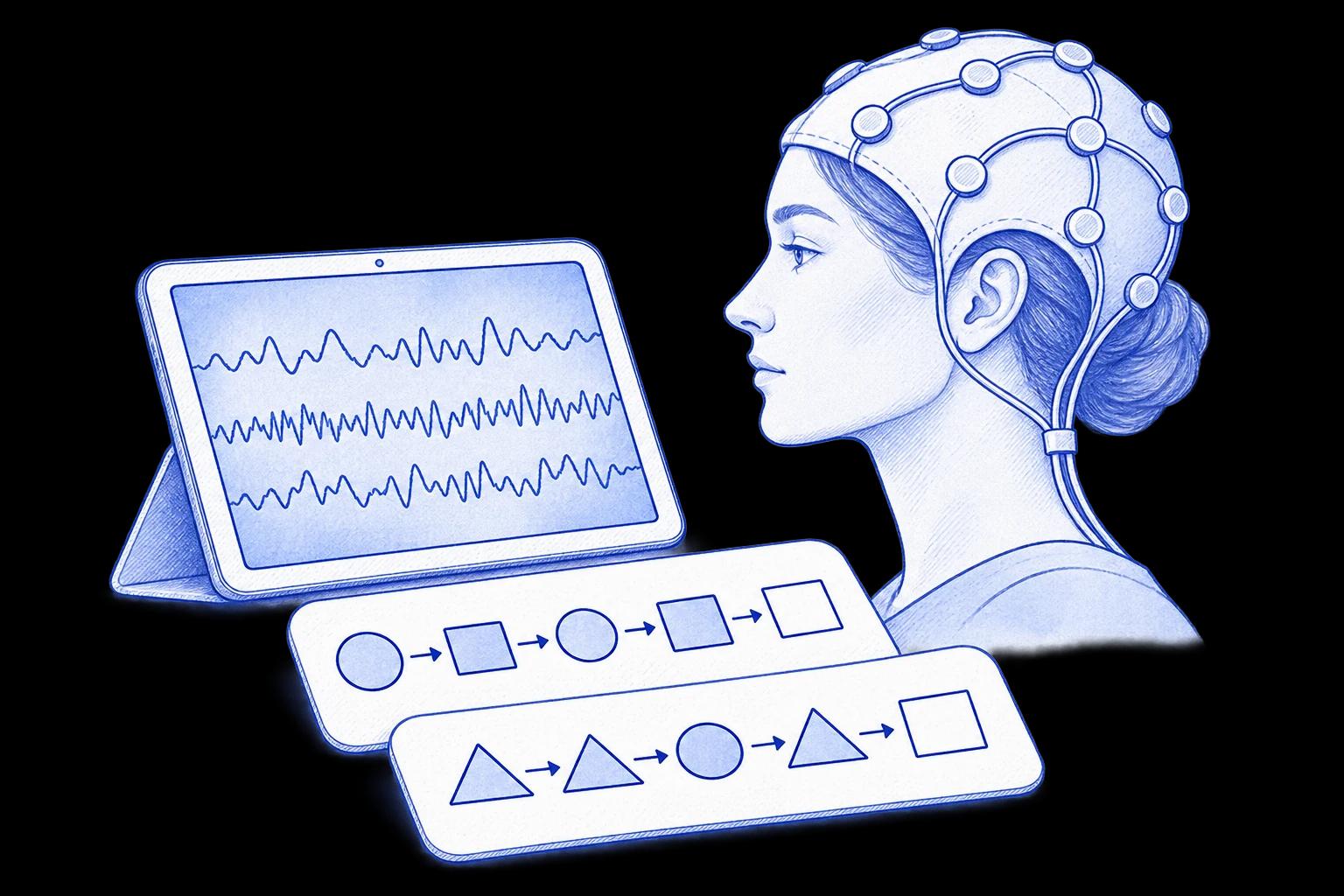
AI-generated ink illustration
Conceptual study artwork, not a photograph of teaching facilities.
Unidex · generated with ImageGen
Checked 2026-11-05
Symbolic subject artwork; no university facility depicted
 March 2027
| Mon | Tue | Wed | Thu | Fri | Sat | Sun |
|---|---|---|---|---|---|---|
| 2 | 3 | 4 | 5 | 6 | 7 | |
| 8 | 9 | 10 | 11 | 12 | 13 | 14 |
| 15 | 16 | 17 | 18 | 19 | 20 | 21 |
| 22 | 23 | 24 | 25 | 26 | 27 | 28 |
| 29 | 30 | 31 |

Fall 2027 · Eligible Québec CEGEP applicants.
Submit the undergraduate application through the McGill Applicant Portal.
 Other deadline details
Check the university’s requirements for your province and applicant category.
Entry terms · Fall 2027
Québec CEGEP direct entry. Internal transfer is separately assessed and is offered in fall only.
McGill Fall 2027 application deadline for Québec CEGEP applicantsQuébec CEGEP
Québec CEGEP
Québec CEGEP
Current McGill students after one year of study
The university does not publish a comparable percentage minimum or entering-average range for this program.
McGill Québec applicant requirements, programme prerequisites and deadlines2026–27 Neuroscience BSc major requirements. The published Fall 2026 U1 advising sequence is for Québec CEGEP entry.
CHEM 212 is a prerequisite. Take it if you do not already have credit or an exemption.
 BIOL 200Molecular Biology3 credits
The physical and chemical properties of the cell and its components in relation to their structure and function. Topics include: protein structure, enzymes and enzyme kinetics; nucleic acid replication, transcription and translation; the genetic code, mutation, recombination, and regulation of gene expression.
MCGILL complete current official course definition CHEM 212Introductory Organic Chemistry 14 credits
 NSCI 200Introduction to Neuroscience 13 credits
An introduction to how nerve cells generate action potentials, communicate with one another at synapses, develop synaptic connections, early brain development, and the construction of specific neural circuits.
MCGILL complete current official course definitionTake CHEM 222 in Winter or Summer and select one cell biology course.
NSCI 201Introduction to Neuroscience 23 creditsAn introduction to how the nervous system acquires and integrates information and uses it to produce behaviour.
MCGILL complete current official course definitionCHEM 222Introductory Organic Chemistry 24 creditsModern spectroscopic techniques for structure determination. The chemistry of alcohols, ethers, carbonyl compounds, and amines, with special attention to mechanistic aspects. Special topics.
MCGILL complete current official course definitionBIOL 201Cell Biology and Metabolism3 creditsThis course introduces the student to our modern understanding of cells and how they work. Major topics to be covered include: photosynthesis, energy metabolism and metabolic integration; plasma membrane including secretion, endocytosis and contact mediated interactions between cells; cytoskeleton including cell and organelle movement; the nervous system; hormone signaling; the cell cycle.
MCGILL complete current official course definitionBIOC 212Molecular Mechanisms of Cell Function3 creditsAn introductory course describing the biochemistry and molecular biology of selected key functions of animal cells, including: gene expression; mitochondrial production of metabolic energy; cellular communication with the extra-cellular environment; and regulation of cell division.
MCGILL complete current official course definitionChoose one in Fall or Winter if you do not already have credit or an exemption.
 MATH 203Principles of Statistics 13 creditsPSYC 204Introduction to Psychological Statistics3 credits
Follow the published checklist for year placement and any approved substitution.
NSCI 300Neuroethics3 creditsAn introduction to ethical issues arising from basic and clinical neuroscience. Overview of therapeutic, diagnostic, and research interventions in mental and neurological disorders, and their implications on society.
MCGILL complete current official course definitionNSCI 400D1Neuroscience Seminar0.5 creditsNSCI 400D2Neuroscience Seminar0.5 creditsPHGY 311Channels, Synapses and Hormones3 creditsIn-depth presentation of experimental results and hypotheses on cellular communication in the nervous system and the endocrine system.
MCGILL complete current official course definitionPSYC 311Human Cognition and the Brain3 creditsThe course is an introduction to the field studying how human cognitive processes, such as perception, attention, language, learning and memory, planning and organization, are related to brain processes. The material covered is primarily based on studies of the effects of different brain lesions on cognition and studies of brain activity in relation to cognitive processes with modern functional neuroimaging methods.
MCGILL complete current official course definitionBIOL 112Cell and Molecular Biology3 creditsThe cell: ultrastructure, division, chemical constituents and reactions. Bioenergetics: photosynthesis and respiration. Principles of genetics, the molecular basis of inheritance and biotechnology.
MCGILL complete current official course definitionCHEM 110General Chemistry 14 creditsA study of the fundamental principles of atomic structure, radiation and nuclear chemistry, valence theory, coordination chemistry, and the periodic table.
MCGILL complete current official course definitionCHEM 120General Chemistry 24 creditsA study of the fundamental principles of physical chemistry.
MCGILL complete current official course definition MATH 139Calculus 1 with Precalculus4 credits
Review of trigonometry and other Precalculus topics. Limits, continuity, derivative. Differentiation of elementary functions. Antidifferentiation. Applications.
MCGILL complete current official course definitionMATH 140Calculus 13 creditsNeuroscience admission prerequisite: MATH 139, MATH 140 or MATH 150 are alternatives for the first calculus requirement. The other calculus requirements remain separate.
McGill 2026–27 exact native course identity and credits: MATH 140MATH 141Calculus 24 creditsThe definite integral. Techniques of integration. Applications. Introduction to sequences and series.
MCGILL complete current official course definitionMATH 150Calculus A4 creditsFunctions, limits and continuity, differentiation, L'Hospital's rule, applications, Taylor polynomials, parametric curves, functions of several variables.
MCGILL complete current official course definitionMATH 151Calculus B4 creditsIntegration, methods and applications, infinite sequences and series, power series, arc length and curvature, multiple integration.
MCGILL complete current official course definition PHYS 101Introductory Physics - Mechanics4 credits
An introductory course in physics without calculus, covering mechanics (kinematics, dynamics, energy, and rotational motion), oscillations and waves, sound, light, and wave optics.
MCGILL complete current official course definitionPHYS 102Introductory Physics - Electromagnetism4 creditsElectric field and potential. D.C. circuits and measurements. Capacitance. Magnetic field and induction. Electromagnetic waves and geometrical optics.
MCGILL complete current official course definitionPHYS 131Mechanics and Waves4 creditsThe basic laws and principles of Newtonian mechanics; oscillations, waves, and wave optics.
MCGILL complete current official course definitionPHYS 142Electromagnetism and Optics4 creditsThe basic laws of electricity and magnetism; geometrical optics.
MCGILL complete current official course definitionMATH 204Principles of Statistics 23 creditsThe concept of degrees of freedom and the analysis of variability. Planning of experiments. Experimental designs. Polynomial and multiple regressions. Statistical computer packages (no previous computing experience is needed). General statistical procedures requiring few assumptions about the probability model.
MCGILL complete current official course definitionMATH 324Statistics3 creditsSampling distributions, including Normal, Chi-squared, Student’s t, and F distributions. Sampling properties of the sample mean and variance. Point estimation: bias, variance, mean squared error, consistency, sufficiency, UMVUE. Method of moments and maximum likelihood estimation. One- and two-sample inference. Confidence intervals and sample size determination. Hypothesis testing, Type 1 and Type 2 errors, power, and p-values. The Neyman Pearson framework and likelihood ratio tests. Linear models used as illustrative examples, linking them to topics in estimation and hypothesis testing. One-way analysis of variance (ANOVA) and contingency tables.
MCGILL complete current official course definitionPSYC 305Statistics for Experimental Design3 creditsAn introduction to the design and analysis of experiments, including analysis of variance, planned and post hoc tests and a comparison of anova to correlational analysis.
MCGILL complete current official course definition COMP 202Foundations of Programming3 credits
Introduction to computer programming in a high level language: variables, expressions, primitive types, methods, conditionals, loops. Introduction to algorithms, data structures (arrays, strings), modular software design, libraries, file input/output, debugging, exception handling. Selected topics.
MCGILL complete current official course definitionCOMP 204Computer Programming for Life Sciences3 creditsComputer Science (Sci): Computer programming in a high level language: variables, expressions, types, functions, conditionals, loops, objects and classes. Introduction to algorithms, modular software design, libraries, file input/output, debugging. Emphasis on applications in the life sciences.
MCGILL complete current official course definitionCOMP 250Introduction to Computer Science3 creditsObject oriented programming in Java: classes and objects, interfaces, inheritance. Data structures and abstract data types: arrays, stacks, queues, linked lists, trees, binary trees,binary search trees, heaps, hash tables, graphs. Recursive and non-recursive algorithms and their asymptotic complexity: searching and sorting, tree and graph traversal. Mathematical tools: induction, recurrence relations.
MCGILL complete current official course definitionMATH 222Calculus 33 creditsTaylor series, Taylor's theorem in one and several variables. Review of vector geometry. Partial differentiation, directional derivative. Extreme of functions of 2 or 3 variables. Parametric curves and arc length. Polar and spherical coordinates. Multiple integrals.
MCGILL complete current official course definitionMATH 315Ordinary Differential Equations3 creditsFirst order ordinary differential equations including elementary numerical methods. Linear differential equations. Laplace transforms. Series solutions.
MCGILL complete current official course definitionMATH 323Probability3 creditsSample space, events, conditional probability, independence of events, Bayes' Theorem. Basic combinatorial probability, random variables, discrete and continuous univariate and multivariate distributions. Independence of random variables. Inequalities, weak law of large numbers, central limit theorem.
MCGILL complete current official course definitionANAT 262Introductory Molecular and Cell Biology3 creditsThe architectural, functional and temporal continuity of organelles and the cytoskeleton of mammalian cells is introduced as well as their functional integration in the phenomena of exocytosis, endocytosis, protein trafficking and cell motility and adhesion.
MCGILL complete current official course definitionBIOL 202Basic Genetics3 creditsIntroduction to basic principles, and to modern advances, problems and applications in the genetics of higher and lower organisms with examples representative of the biological sciences.
MCGILL complete current official course definitionBIOL 309Mathematical Models in Biology3 creditsApplication of finite difference and differential equations to problems in cell and developmental biology, ecology and physiology. Qualitative, quantitative and graphical techniques are used to analyze mathematical models and to compare theoretical predictions with experimental data.
MCGILL complete current official course definitionCOMP 206Introduction to Software Systems3 creditsComprehensive overview of programming in C, use of system calls and libraries, debugging and testing of code; use of developmental tools like make, version control systems.
MCGILL complete current official course definition BIOL 306Neural Basis of Behaviour3 credits
Neural mechanisms of animal behaviour; neuroethology; cellular neurophysiology, integrative networks within nervous systems; neural control of movement; processing of sensory information.
MCGILL complete current official course definitionPHGY 314Integrative Neuroscience3 creditsIn depth presentation of experimental results and hypotheses underlying our current understanding of how single neurons and ensembles of neurons encode sensory information, generate movement, and control cognitive functions such as emotion, learning, and memory, during voluntary behaviours.
MCGILL complete current official course definitionANAT 321Circuitry of the Human Brain3 creditsThis course explores the functional organization of the human brain and spinal cord. The course focuses on how neuronal systems are designed to subserve specific motor, sensory, and cognitive operations.
MCGILL complete current official course definitionBIOC 311Metabolic Biochemistry3 creditsThe generation of metabolic energy in higher organisms with an emphasis on its regulation at the molecular, cellular and organ level. Chemical concepts and mechanisms of enzymatic catalysis are also emphasized. Included: selected topics in carbohydrate, lipid and nitrogen metabolism; complex lipids and biological membranes; hormonal signal transduction.
MCGILL complete current official course definitionBIOC 312Biochemistry of Macromolecules3 creditsGene expression from the start of transcription to the synthesis of proteins, their modifications and degradation. Topics covered: transcription and its regulation; mRNA processing, translation and their regulation; protein post-translational modifications, trafficking, and turn-over; programmed cell death (apoptosis).
MCGILL complete current official course definitionBIOL 300Molecular Biology of the Gene3 creditsA survey of current knowledge and approaches in the area of regulation of gene expression, post-transcriptional control of gene expression, and signal transduction.
MCGILL complete current official course definition BIOL 320Evolution of Brain and Behaviour3 credits
Functional and comparative approach to neuroanatomy, examining how species changes in brain organization contribute to evolutionary changes in behaviour.
MCGILL complete current official course definitionPSYC 302Pain3 creditsAn introduction to pain research and theory, with emphasis on the interactions of psychological, cultural and physiological factors in pain perception. The role of these factors in clinical pain and its management by pharmacological and non-pharmacological means will be discussed.
MCGILL complete current official course definitionPSYC 303Introduction to Human Memory3 creditsIntroduction to human memory. Topics include: methods in memory research; major models and taxonomies of memory, such as the modal model, working memory, semantic, episodic, and procedural memory, declarative and non-declarative memory; fundamental memory processes, such as formation, maintenance, retrieval, and forgetting; memory development; autobiographical memory; metamemory; disorders of memory.
MCGILL complete current official course definitionPSYC 315Computational Psychology3 creditsApplication of computational methods to the simulation of psychological phenomena. Comparison of natural and artificial intelligence. Symbolic and neural network techniques. Methods for evaluating simulations.
MCGILL complete current official course definitionPSYC 318Behavioural Neuroscience 23 creditsThe physiological bases of motivational states, with respect to feeding, drinking, sexual behaviour, drug use, and aggression. Physiological bases of learning and memory.
MCGILL complete current official course definitionPSYC 342Hormones and Behaviour3 creditsThe role of hormones in organization of CNS function, as effectors of behaviour, in expression of behaviours and in mental illness.
MCGILL complete current official course definitionBIOL 389Laboratory in Neurobiology3 creditsMethods of neurobiological research, including extracellular and intracellular recordings, electrical stimulation, and the study of neuro-behavioural problems.
MCGILL complete current official course definitionBIOL 301Cell and Molecular Laboratory4 creditsAn introduction to biology research and communication with a focus on cell and molecular biology. Through conducting a series of project-based experiments and writing a final report, molecular and synthetic biology techniques such as gene cloning, manipulation, protein isolation and characterization and how research is conducted, analyzed and communicated will be addressed. In addition, an introduction to bioinformatics methods and their role in analysis will be provided.
MCGILL complete current official course definitionNSCI 410D1Independent Research 13 creditsIndependent laboratory research in neuroscience.
MCGILL complete current official course definitionNSCI 410D2Independent Research 13 creditsSee NSCI 410D1 for course description.
MCGILL complete current official course definitionBIOL 506Neurobiology of Learning3 creditsExploration of the neurobiological basis of learning, from molecules to circuits, focusing on the synaptic, cellular and circuit-level processes that support learning, in the context of different brain regions and forms of learning.
MCGILL complete current official course definitionBIOL 530Advances in Neuroethology3 creditsNeural mechanisms underlying behaviour in vertebrate and invertebrate organisms.
MCGILL complete current official course definitionBMDE 519Biomedical Signals and Systems3 creditsAn introduction to the theoretical framework, experimental techniques and analysis procedures available for the quantitative analysis of physiological systems and signals. Lectures plus laboratory work using the Biomedical Engineering computer system. Topics include: amplitude and frequency structure of signals, filtering, sampling, correlation functions, time and frequency-domain descriptions of systems.
MCGILL complete current official course definitionCOMP 546Computational Perception4 creditsComputational models of visual perception and audition. Vision problems include stereopsis, motion, focus, perspective, color. Audition problems include source localization and recognition. Emphasis on physics of image formation, sensory signal processing, neural pathways and computation, psychophysical methods.
MCGILL complete current official course definitionNEUR 503Computational Neuroscience3 creditsA survey of computational methods commonly used to model brain function, including mathematical modeling to describe the relationship between neuronal activity and perception, action, and cognition. Mathematical basis for vision, motor control and attention. Data relevant to brain processes and models explaining these data, using engineering, statistics and artificial intelligence.
MCGILL complete current official course definitionNEUR 507Topics in Radionuclide Imaging3 creditsThe course deals with neuroreceptor and oncologic imaging and imaging of cerebral bloodflow and metabolism. The role of radiochemistry and physics will be demonstrated in the context of clinical and research applications. Understanding how radiochemistry and physics intermingle with the medical aspects of radiotracer development will result in a deeper insight into the complex pathways of tracer design and the methods necessary to properly interpret the data obtained.
MCGILL complete current official course definitionPHGY 425Analyzing Physiological Systems3 creditsAn introduction to quantitative analysis of physiological data, both to the mode of thinking and to a set of tools that allows accurate predictions of biological systems. Examples will range from oscillating genetic networks to understanding higher brain function. Modelling and data analysis through examples and exercises will be emphasized.
MCGILL complete current official course definitionPHGY 451Advanced Neurophysiology3 creditsTopics of current interest in neurophysiology including the development of neurons and synapses, physiology of ionic channels, presynaptic and postsynaptic events in synaptic transmission and neuronal interactions in CNS function.
MCGILL complete current official course definitionPHGY 520Ion Channels3 creditsA discussion of the principal theories and interesting new developments in the study of ion channels. Based on a textbook, computer exercises and critical reading and presentation of research papers. Topics include: Properties of voltage-and ligand-gated channels, single channel analysis, structure and function of ion channels.
MCGILL complete current official course definitionPHGY 524Chronobiology3 creditsAn introduction to the field of chronobiology. The aim is to provide basic instruction on different types of biological rhythms, with particular focus on circadian rhythms.
MCGILL complete current official course definitionPHGY 556Topics in Systems Neuroscience3 creditsTopics of current interest in systems neurophysiology and behavioural neuroscience including: the neural representation of sensory information and motor behaviours, models of sensory motor integration, and the computational analysis of problems in motor control and perception. Students will be expected to present and critically discuss journal articles in class.
MCGILL complete current official course definitionANAT 458Membranes and Cellular Signaling3 creditsAn integrated treatment of the properties of biological membranes and of intracellular signaling, including the major role that membranes play in transducing and integrating cellular regulatory signals. Biological membrane organization and dynamics; membrane transport; membrane receptors and their associated effectors; mechanisms of regulation of cell growth, morphology, differentiation and death.
MCGILL complete current official course definitionBIOC 454Nucleic Acids3 creditsRNA processing, localization and stability. RNAi mechanisms, regulation and applications. Regulation of DNA replication. Genomics: human genome sequence, regulation and organization. DNA repair mechanisms. Special topics on transgenics, genetic diseases and cancer.
MCGILL complete current official course definitionBIOC 458Membranes and Cellular Signaling3 creditsAn integrated treatment of the properties of biological membranes and of intracellular signaling, including the major role that membranes play in transducing and integrating cellular regulatory signals. Biological membrane organization and dynamics: membrane transport; membrane receptors and their associated effectors; mechanisms of regulation of cell growth, morphology, differentiation and death.
MCGILL complete current official course definitionBIOC 470Lipids and Lipoproteins in Disease3 creditsStructure, function and metabolism of lipids and lipoproteins as they relate to lipid storage diseases, obesity, insulin resistance, diabetes, heart disease, Alzheimers disease and other neurological diseases. Transcriptional and post-translational mechanisms governing the synthesis and degradation of important enzymes, lipids, and lipid transport molecules; role of lipid mediators in signaling pathways and protein modification; assembly and dynamics of lipoproteins and biological membranes; genetic disruptions of lipid regulatory proteins such as cell surface receptors leading to human disease.
MCGILL complete current official course definitionBIOL 532Developmental Neurobiology Seminar3 creditsDiscussions of all aspects of nervous system development including pattern formation, cell lineage, pathfinding and targeting by growing axons, and neural regeneration. The basis for these discussions will be recent research papers and other assigned readings.
MCGILL complete current official course definitionBIOL 580Genetic Approaches to Neural Systems3 creditsThis course will focus on recent research employing genetic-based methods to examine the functional and structural properties of the nervous system. The focus will be on approaches for studying neural circuits and behavior in a range of model organisms. Topics will include recent technological advances, such as optogenetics for modifying and controlling neuronal activity, and animal models of neurological diseases. Students will critically analyze the application of these methods to current research through in-class discussion of primary literature, student presentations, and written assignments.
MCGILL complete current official course definitionBIOL 588Advances in Molecular/Cellular Neurobiology3 creditsDiscussion of fundamental molecular mechanisms underlying the general features of cellular neurobiology. An advanced course based on lectures and on a critical review of primary research papers.
MCGILL complete current official course definitionEXMD 502Advanced Endocrinology 13 creditsThis course is designed for U3 students who are in a major or honours program in anatomy, biology, biochemistry or physiology and for graduate students. A multidisciplinary approach will be used to teach biosynthesis and processing of hormones, their regulation, function and mechanism of action. The material will cover hypothalamic, pituitary, thyroid, atrial and adrenal hormones as well as prostaglandins and related substances.
MCGILL complete current official course definitionPSYC 410Special Topics in Neuropsychology3 creditsDevelopments in cognitive neuroscience and cognitive neuropsychiatry via readings from primary sources. Topics include the neural bases of memory, emotion, social cognition and neuropsychiatric diseases. Integrating knowledge from studies in clinical populations and functional neuroimaging studies.
MCGILL complete current official course definitionPSYC 427Sensorimotor Neuroscience3 creditsA systematic examination of the sensorimotor system, drawing on models and data from both behavioural and physiological studies. Topics include: cortical motor areas, cerebellum, basal ganglia, spinal mechanisms, motor unit properties and force production, prioception, muscle properties.
MCGILL complete current official course definitionPSYC 433Cognitive Science3 creditsThe multi-disciplinary study of cognitive science, exploring the computer metaphor of the mind as an information-processing system. Focus on levels of analysis, symbolic modeling, Turing machines, neural networks, as applied to topics such as reasoning, vision, decision-making, and consciousness.
MCGILL complete current official course definitionPSYC 443Affective Neuroscience3 creditsFocus on the neurobiology of emotion, the links between emotion and cognition, and the role of experience and individual differences in emotional states associated with psychopathology.
MCGILL complete current official course definitionPSYC 444Sleep Mechanisms and Behaviour3 creditsThis course covers basic biological mechanisms, possible functions and behavioural aspects of sleep. Additional topics include: disorders of sleep, their effects on behaviour and cognition, and treatment approaches; as well as medical, neurological and psychiatric disorders, and drugs, that affect sleep.
MCGILL complete current official course definitionPSYC 493Special Topics Seminar 23 creditsThese seminars are offered by special arrangement between interested Psychology staff and students. Note: A written proposal detailing the plans for the seminar must be approved by the Department Curriculum Committee before the student is permitted to register for this course. This proposal must be received by the Departmental Curriculum Committee well before the beginning of the term for which the seminar is proposed. Consult the Departmental Handbook for additional information.
MCGILL complete current official course definitionPSYC 502Psychoneuroendocrinology3 creditsThis advanced seminar course offers an in-depth introduction to current topics in psychoneuroendocrinology. Students will read and discuss original scientific literature from human and animal research interrogating the mechanisms by which hormones act in the brain to influence behaviour in health and disease. Students will gain a refined understanding of key concepts in psychoneuroendocrinology, such as negative feedback control and the key neuroendocrine axes and their role in behavioural control. They will apply this knowledge to critically evaluate original scientific literature and generate hypothesis-driven research questions from the scientific literature.
MCGILL complete current official course definitionPSYC 506Cognitive Neuroscience of Attention3 creditsAn introduction to cognitive properties and neural mechanisms of human attention. The material will include an overview of the history of attention research, contemporary theories of attention, the varieties of attention, behavioral and neuroimaging experimental methods, the nature of attentional dysfunctions, and the links between attention and other cognitive functions including memory and consciousness.
MCGILL complete current official course definitionPSYC 513Human Decision-Making3 creditsInterdisciplinary study of decision-making, covering contemporary approaches to understanding how humans compute values and make choices. Measurement of and techniques for assessing variables such as risk and uncertainty, utilities and preferences, reinforcement learning, heuristics and biases, and self-control. Emphasis on quantitative models of decision-making.
MCGILL complete current official course definitionPSYT 500Advances: Neurobiology of Mental Disorders3 creditsCurrent theories on the neurobiological basis of most well known mental disorders (e.g. schizophrenia, depression, anxiety, dementia). Methods and strategies in research on genetic, physiological and biochemical factors in mental illness will be discussed. Discussion will also focus on the rationale for present treatment approaches and on promising new approaches.
MCGILL complete current official course definition PSYT 522Early Adversity, Development and Health 3 credits
Direct application to the Neuroscience Group for eligible Québec CEGEP applicants. Other applicants usually enter a different McGill programme and may seek competitive transfer after first year.
Career examples have not been verified for this page.
Official program page
Programme-specific fees are unavailable.
Last updated

























































