



- HBA · 4 years
- Work experience details
- ~High 80s to low 90s


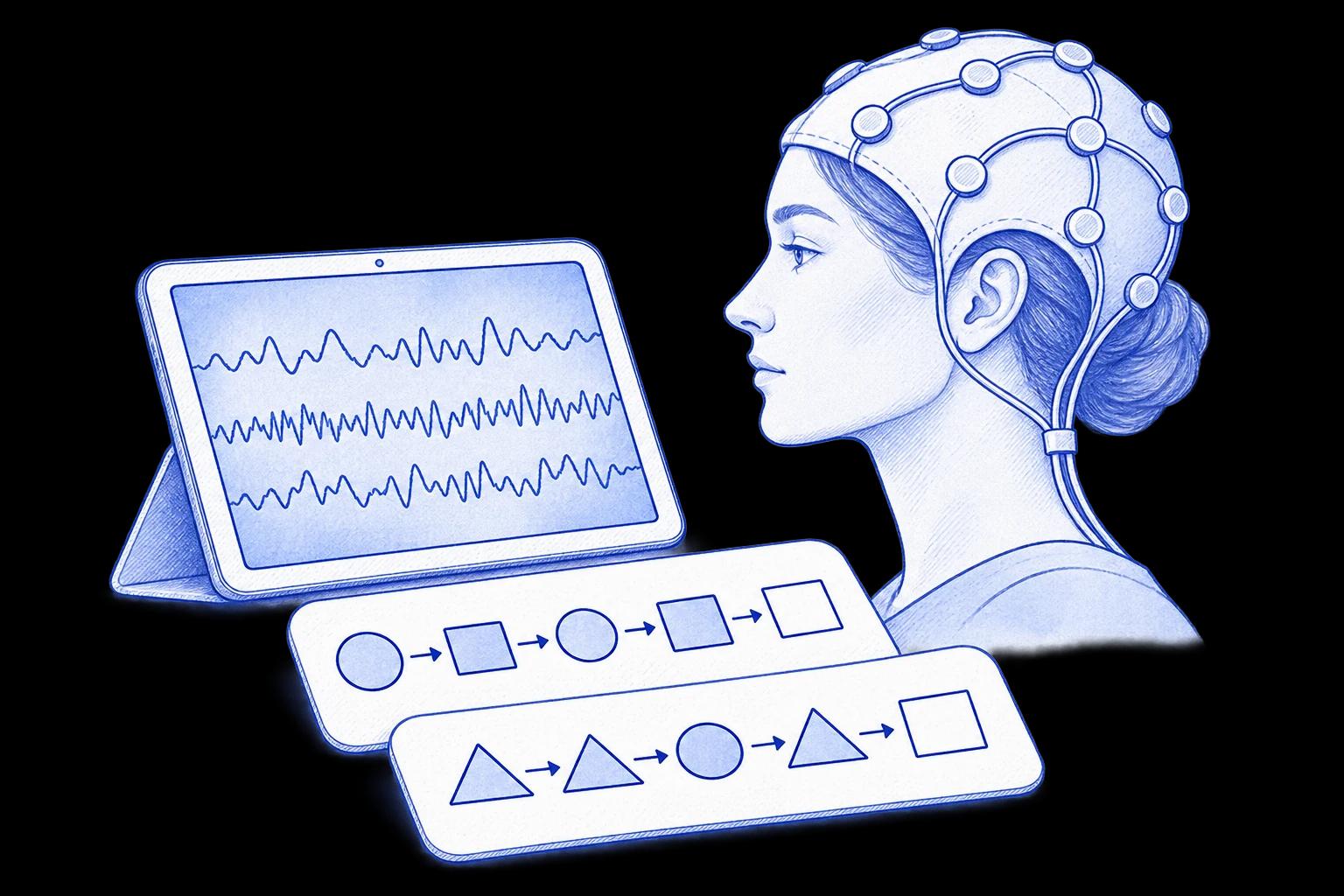
AI-generated ink illustration
Conceptual study artwork, not a photograph of teaching facilities.
Unidex · generated with ImageGen
Checked 2026-11-05
Symbolic subject artwork; no university facility depicted
 January 2027
| Mon | Tue | Wed | Thu | Fri | Sat | Sun |
|---|---|---|---|---|---|---|
| 1 | 2 | 3 | ||||
| 4 | 5 | 6 | 7 | 8 | 9 | 10 |
| 11 | 12 | 13 | 14 | 16 | 17 | |
| 18 | 19 | 20 | 21 | 22 | 23 | 24 |
| 25 | 26 | 27 | 28 | 29 | 30 | 31 |

Fall 2027 entry · Applicants studying or last studying at an overseas or U.S. school, college or university
 Other deadline details
 ENG4U / FRA4UGrade 12 core English or French
Entry terms · Fall
September 2027. See the applicant-specific dates and portal checklist.
McGill Ontario high-school admission requirementsOntario high-school applicants in Canada
Canadian high-school applicants completing school in Canada outside Ontario and Quebec
The university does not publish a comparable percentage minimum or entering-average range for this program.
McGill Ontario high-school admission requirementsPublished required and complementary course choices for the 36-credit Psychology Major Concentration (B.A.). This is a program within the degree, not the complete degree or a term-by-term timetable. Some requirements specify course levels or subjects rather than naming courses.
 PSYC 100Introduction to Psychology3 credits
Introduction to the scientific study of mind and behavior, including basic concepts and methods in psychology while also highlighting the relevance of psychology to everyday life; attachment, aggression, depression, parenting and personality change.
MCGILL complete current official course definition BIOL 111Principles: Organismal Biology3 credits
An introduction to the phylogeny, structure, function and adaptation of unicellular organisms, plants and animals in the biosphere.
MCGILL complete current official course definitionBIOL 112Cell and Molecular Biology3 creditsThe cell: ultrastructure, division, chemical constituents and reactions. Bioenergetics: photosynthesis and respiration. Principles of genetics, the molecular basis of inheritance and biotechnology.
MCGILL complete current official course definitionBIOL 115Essential Biology3 creditsAn introduction to biological science that emphasizes the manner in which scientific understanding is achieved and evolves and the influence of biological science on society. Topics will include cell structure and function, genetics, evolution, organ physiology, ecology and certain special topics that change from year to year.
MCGILL complete current official course definition PSYC 204Introduction to Psychological Statistics3 credits
The statistical analysis of research data; frequency distributions; graphic representation; measures of central tendency and variability; elementary sampling theory and tests of significance.
MCGILL complete current official course definitionPSYC 211Introductory Behavioural Neuroscience3 creditsAn introduction to contemporary research on the relationship between brain and behaviour. Topics include learning, memory and cognition, brain damage and neuroplasticity, emotion and motivation, and drug addiction and brain reward circuits. Much of the evidence will be drawn from the experimental literature on research with animals.
MCGILL complete current official course definition PSYC 212Perception3 credits
Perception is the organization of sensory input into a representation of the environment. Topics include: survey of sensory coding mechanisms (visual, auditory, tactile, olfactory, gustatory), object recognition, spatial localization, perceptual constancies and higher level influences.
MCGILL complete current official course definitionPSYC 213Cognition3 creditsWhere do thoughts come from? What is the nature of thought, and how does it arise in the mind and the brain? Cognition is the study of human information processing, and we will explore topics such as memory, attention, categorization, decision making, intelligence, philosophy of mind, and the mind-as computer metaphor.
MCGILL complete current official course definitionPSYC 215Social Psychology3 creditsThe course offers students an overview of the major topics in social psychology. Three levels of analysis are explored beginning with individual processes (e.g., attitudes, attribution), then interpersonal processes (e.g., attraction, communication, love) and finally social influence processes (e.g., conformity, norms, roles, reference groups).
MCGILL complete current official course definitionPSYC 305Statistics for Experimental Design3 creditsAn introduction to the design and analysis of experiments, including analysis of variance, planned and post hoc tests and a comparison of anova to correlational analysis.
MCGILL complete current official course definitionNSCI 201Introduction to Neuroscience 23 creditsAn introduction to how the nervous system acquires and integrates information and uses it to produce behaviour.
MCGILL complete current official course definitionPSYC 301Animal Learning and Theory3 creditsContemporary and historical research and theory on animal learning approached from a behavioural, cognitive and biological perspective. Classical and instrumental conditioning, cognitive learning, and biological constraints. The status and history of North American behaviourism will be discussed and compared with cognitive and other approaches.
MCGILL complete current official course definitionPSYC 302Pain3 creditsAn introduction to pain research and theory, with emphasis on the interactions of psychological, cultural and physiological factors in pain perception. The role of these factors in clinical pain and its management by pharmacological and non-pharmacological means will be discussed.
MCGILL complete current official course definitionPSYC 306Research Methods in Psychology3 creditsThe philosophy of science, the methods psychologists use, and how to interpret and evaluate psychological research. The ethical issues in psychological research and how to communicate psychological research in written and visual forms. How to become consumers of psychological science, and to provide building blocks to become expert producers of psychological science.
MCGILL complete current official course definitionPSYC 310Intelligence3 creditsIntroduction to the evolution and assessment of intelligence. Emphasizes measurement and correlates of the human intellect and the role of environment and heredity in social and race differences in intellectual and adaptive functioning. Evolution of intelligence in vertebrates and other intelligences including practical and emotional intelligence will be covered.
MCGILL complete current official course definitionPSYC 311Human Cognition and the Brain3 creditsThe course is an introduction to the field studying how human cognitive processes, such as perception, attention, language, learning and memory, planning and organization, are related to brain processes. The material covered is primarily based on studies of the effects of different brain lesions on cognition and studies of brain activity in relation to cognitive processes with modern functional neuroimaging methods.
MCGILL complete current official course definitionPSYC 315Computational Psychology3 creditsApplication of computational methods to the simulation of psychological phenomena. Comparison of natural and artificial intelligence. Symbolic and neural network techniques. Methods for evaluating simulations.
MCGILL complete current official course definitionPSYC 317Genes and Behaviour3 creditsFocuses on current techniques employed to study which genes influence behaviour, and how they do so.
MCGILL complete current official course definitionPSYC 318Behavioural Neuroscience 23 creditsThe physiological bases of motivational states, with respect to feeding, drinking, sexual behaviour, drug use, and aggression. Physiological bases of learning and memory.
MCGILL complete current official course definitionPSYC 319Computational Models - Cognition3 creditsIntroduction to the purpose, design, and role of computational modeling in the cognitive sciences. Domains examined will include memory, categorization, and language. Focus will be on computational models to attain a better theoretical understanding of human behaviour. New trends, including the use of big data and machine learning.
MCGILL complete current official course definitionPSYC 329Introduction to Auditory Cognition3 creditsListener's response to sound. Higher-level mental principles including perception, attention, memory, motor control, and emotion. Sensation and perceptual organization of sound. Perception/production of speech, music, and other auditory events.
MCGILL complete current official course definitionPSYC 340Psychology of Language3 creditsA survey of issues in psycholinguistics, focusing on the nature and processing of language (e.g., how we understand speech sounds, words, sentences, and discourse). Also surveyed: language and thought, the biological foundations of language, and first language acquisition.
MCGILL complete current official course definitionPSYC 341The Psychology of Bilingualism3 creditsThis course will examine issues in bilingualism, including second language acquisition in children and adults, critical period hypothesis, cognitive consequences and correlates of bilingualism, social psychological aspects of bilingualism, and bilingual education.
MCGILL complete current official course definitionPSYC 342Hormones and Behaviour3 creditsThe role of hormones in organization of CNS function, as effectors of behaviour, in expression of behaviours and in mental illness.
MCGILL complete current official course definition PSYC 352Research Methods and Laboratory in Cognitive Psychology3 credits
Introduction to research methods and experimental techniques in cognitive psychology for exploring topics such as attention, memory, categorization, reasoning, and language processing.
MCGILL complete current official course definitionPSYC 353Research Methods and Laboratory in Human Perception3 creditsIntroduction to standard psychophysical procedures and data analysis techniques. Modelling behavioural data using various psychophysical methods.
MCGILL complete current official course definitionPSYC 355Research Methods and Laboratory in Electroencephalography3 creditsIntroduction to the use of electroencephalography (EEG) for measuring brain function in behavioural neuroscience experiments. Recording and analyzing EEG data, as well asin designing experiments and interpreting findings using this method. Topics include the neural basis of EEG, recording principles and techniques, EEG data analysis (frequency bands, averaging, sources of noise, filtering, signal to noise), event-related potential analysis (ERP), spectral analysis and time-frequency analysis, data visualization, topographical maps.
MCGILL complete current official course definitionPSYC 403Modern Psychology in Historical Perspective3 creditsA survey of the scientific and ideological influences on psychology from its philosophical beginnings through the period of the schools to its modern situation.
MCGILL complete current official course definitionPSYC 406Psychological Tests3 creditsAn introduction to the theory and practice of psychological measurement in health, educational, clinical and industrial/organizational settings. Attention to procedures for developing and validating tests and questionnaires. Techniques include: intelligence tests, projective tests, questionnaires, structured interviews, rating scales, and behavioural/performance tests.
MCGILL complete current official course definitionPSYC 410Special Topics in Neuropsychology3 creditsDevelopments in cognitive neuroscience and cognitive neuropsychiatry via readings from primary sources. Topics include the neural bases of memory, emotion, social cognition and neuropsychiatric diseases. Integrating knowledge from studies in clinical populations and functional neuroimaging studies.
MCGILL complete current official course definitionPSYC 413Cognitive Development3 creditsIn-depth exploration of cognitive development in infants and children including knowledge representation and processing, conceptual development, language development, and theories and principles of cognitive development.
MCGILL complete current official course definitionPSYC 427Sensorimotor Neuroscience3 creditsA systematic examination of the sensorimotor system, drawing on models and data from both behavioural and physiological studies. Topics include: cortical motor areas, cerebellum, basal ganglia, spinal mechanisms, motor unit properties and force production, prioception, muscle properties.
MCGILL complete current official course definitionPSYC 433Cognitive Science3 creditsThe multi-disciplinary study of cognitive science, exploring the computer metaphor of the mind as an information-processing system. Focus on levels of analysis, symbolic modeling, Turing machines, neural networks, as applied to topics such as reasoning, vision, decision-making, and consciousness.
MCGILL complete current official course definitionPSYC 439Correlational Techniques3 creditsThe statistical analysis of relations among a number of variables in situations common in psychology. Methods include regression analysis, principal components analysis, and other techniques for modelling the structure of correlation matrices.
MCGILL complete current official course definitionPSYC 443Affective Neuroscience3 creditsFocus on the neurobiology of emotion, the links between emotion and cognition, and the role of experience and individual differences in emotional states associated with psychopathology.
MCGILL complete current official course definitionPSYC 444Sleep Mechanisms and Behaviour3 creditsThis course covers basic biological mechanisms, possible functions and behavioural aspects of sleep. Additional topics include: disorders of sleep, their effects on behaviour and cognition, and treatment approaches; as well as medical, neurological and psychiatric disorders, and drugs, that affect sleep.
MCGILL complete current official course definitionPSYC 470Memory and Brain3 creditsMemory systems are studied with an emphasis on the neural computations that occur at various stages of the processing stream, focusing on the hippocampus, amygdala, basal ganglia, cerebellum and cortex. The data reviewed is obtained from human, non-human primates and rodents, with single unit recording, neuroimaging and brain damaged subjects.
MCGILL complete current official course definitionPSYC 502Psychoneuroendocrinology3 creditsThis advanced seminar course offers an in-depth introduction to current topics in psychoneuroendocrinology. Students will read and discuss original scientific literature from human and animal research interrogating the mechanisms by which hormones act in the brain to influence behaviour in health and disease. Students will gain a refined understanding of key concepts in psychoneuroendocrinology, such as negative feedback control and the key neuroendocrine axes and their role in behavioural control. They will apply this knowledge to critically evaluate original scientific literature and generate hypothesis-driven research questions from the scientific literature.
MCGILL complete current official course definitionPSYC 506Cognitive Neuroscience of Attention3 creditsAn introduction to cognitive properties and neural mechanisms of human attention. The material will include an overview of the history of attention research, contemporary theories of attention, the varieties of attention, behavioral and neuroimaging experimental methods, the nature of attentional dysfunctions, and the links between attention and other cognitive functions including memory and consciousness.
MCGILL complete current official course definitionPSYC 513Human Decision-Making3 creditsInterdisciplinary study of decision-making, covering contemporary approaches to understanding how humans compute values and make choices. Measurement of and techniques for assessing variables such as risk and uncertainty, utilities and preferences, reinforcement learning, heuristics and biases, and self-control. Emphasis on quantitative models of decision-making.
MCGILL complete current official course definitionPSYC 514Neurobiology of Memory3 creditsAdvances in the understanding of the neurobiological bases of fundamental memory processes, such as memory consolidation maintenance, retrieval, and forgetting. The contribution of their dysregulation to neurodevelopmental and neurodegenerative diseases. Consideration of findings from a variety of species, spanning insects to humans.
MCGILL complete current official course definitionPSYC 522Neurochemistry and Behaviour3 creditsAnatomical, biochemical and physiological aspects of neurotransmitter systems in the brain, current theories of the function of these systems in normal and abnormal behaviour, and the actions of psychotropic drugs.
MCGILL complete current official course definition PSYC 526Advances in Visual Perception3 credits
We examine in detail the structure of the visual system, and its function as reflected in the perceptual abilities and behaviour of the organism. Parallels are also drawn with other sensory systems to demonstrate general principles of sensory coding.
MCGILL complete current official course definition PSYC 529Music Cognition3 credits
Interdisciplinary study of music cognition, with an emphasis on psychological, computational, and neuroscientific approaches. Focuses on listeners' response to sound, including perception, attention, memory, motor control, skilled performance, and emotional response.
MCGILL complete current official course definition PSYC 531Structural Equation Models3 credits
The course introduces basic concepts underlying structural equation models (SEM). SEM, which combine regression analysis and factor analysis, are quite useful and are currently very popular in analyzing data that arise in social, developmental and clinical psychology. The students are expected to get first-hand experiences in fitting SEM, and learn how to interpret and report the results from SEM.
MCGILL complete current official course definitionPSYC 537Advanced Seminar in Psychology of Language3 creditsTopics may include: the neural basis of language, evolutionary approaches to language, pragmatics and figurative language processing, disordered language processing, models of spoken word recognition.
MCGILL complete current official course definitionPSYC 538Categorization, Communication and Consciousness3 creditsThe main challenges that cognitive science faces today, focusing on the capacity to learn sensorimotor categories, to name and describe them verbally, and to transmit them to others, concluding with cognition distributed on the Web.
MCGILL complete current official course definition PSYC 541Multilevel Modelling3 credits
Basic concepts of multilevel linear and nonlinear models and applying these methods to empirical data.
MCGILL complete current official course definition PSYC 545Topics in Language Acquisition3 credits
Psychological mechanisms and theories of first language acquisition in infancy and early childhood. Topics such as: infant speech perception, acquisition of grammar, word learning, pidgin and Creole languages, critical and sensitive periods, genetic and evolutionary bases of language.
MCGILL complete current official course definition PSYC 560Machine Learning Tools in Psychology 3 credits
An overview of various methods for understanding and predicting complex and often large datasets, which have been developed in machine learning and statistics. It focuses on the conceptual underpinnings of popular supervised and unsupervised learning methods and the applications of the methods to various datasets from psychology and closely related disciplines (e.g. neuroscience, consumer behaviour, psychiatry) using existing software packages for the methods.
MCGILL complete current official course definitionPSYC 562Measurement of Psychological Processes3 creditsIntermediate level theory and methods for the measurement of latent variables in psychology and related fields. In-depth coverage of theories of validity and psychometrics as applied in psychology. Introduction to quantitative methods for scale development, use, and evaluation. Discussion of current topics and challenges in psychological measurement and psychometrics.
MCGILL complete current official course definitionPSYC 304Child Development3 creditsPsychology of children, covering critical issues, theories, biological underpinnings, experimental methods, and findings in perceptual, cognitive, language, emotional, and social development.
MCGILL complete current official course definitionPSYC 309Positive Psychology: Science of Well-Being3 creditsIntroduction to positive psychology that is designed toexplore the research behind the concepts, techniques,and exercises that enhance well-being.
MCGILL complete current official course definitionPSYC 328Health Psychology3 creditsA survey of major issues in health psychology: historical perspective; health effects of stress and stress management; pain mechanisms and management; prevention and management of chronic diseases, hypertension, coronary heart disease, cancer, and immunological disorders. Behaviour change strategies for smoking, weight regulation, physical inactivity, and sexual risk behaviour.
MCGILL complete current official course definitionPSYC 331Inter-Group Relations3 creditsThe course focuses on the social psychology of societal groups such as racial minorities, aboriginal groups and women. The ideological biases of current theories is first established. This is followed by a review of current theories and finally current controversies are explored including new forms of racism and affirmative action.
MCGILL complete current official course definitionPSYC 332Introduction to Personality3 creditsThis course examines some of the major theories of personality, e.g., those of Freud, Rogers, and Bandura. Empirical research inspired by these theories will also be examined. Topics include the nature of human motivation, the role of the self-concept, and the consistency and stability of personality.
MCGILL complete current official course definitionPSYC 333Personality and Social Psychology3 creditsThe course builds on and is an extension of Social Psychology ( PSYC 215 ). Traditional approaches to person-situation interactions and a more dynamic approach based on recent research on goals and social cognition.
MCGILL complete current official course definitionPSYC 337Introduction to Psychopathology3 creditsAn introduction to major concepts and issues in the study of psychopathology in humans, including major models of etiology, diagnosis, prognosis, assessment, and treatment.
MCGILL complete current official course definitionPSYC 339Introduction to Applied Psychology3 creditsExploration of the conceptual frameworks that underlie different applied psychological disciplines (e.g., educational/school psychology, clinical child and adult psychology, health psychology, forensic psychology, vocational psychology), the nature of the problems addressed by different psychological disciplines, and the tools used for assessment and intervention.
MCGILL complete current official course definitionPSYC 351Research Methods and Laboratory in Social Psychology3 creditsIntroduction to the issues, strategies, and applications of various research methodologies in social psychology; methods using both correlational and experimental procedures. Classic and contemporary approaches will be examined.
MCGILL complete current official course definitionPSYC 408Principles and Applications of Psychotherapy3 creditsIntroduction to the theories, research, and practice of psychotherapy, with a particular focus on cognitive behavioural and related therapies. Discussion of broad topics such as historical perspectives on psychotherapy, the empirical study of psychotherapy, and ethical issues related to psychotherapy. Traditional and contemporary cognitive-behavioural therapies and their application to mood, anxiety, eating, and personality disorders will be reviewed. Current interest topics in psychotherapy (e.g., neurocognitive correlates of change, technology in treatment) will be highlighted.
MCGILL complete current official course definitionPSYC 409Positive Psychology3 creditsDidactic instruction and experiential learning in its coverage of three issues central to this field: positive emotions, positive individual traits, and positive institutions. Topics covered include sensory savoring, expressing gratitude, optimism, identifying and building strengths, kindness, and meaning.
MCGILL complete current official course definitionPSYC 411Discrimination & Wellbeing in Marginalized Communities3 creditsExamination of research on the associations between discrimination and health, with emphases on how (1) various types of discrimination (e.g., interpersonal, microaggression, online, institutional) impact health and wellbeing and (2) various factors – rooted in individual’s cultural values and beliefs – help provide resilience against the effects of discrimination.
MCGILL complete current official course definitionPSYC 412Child Development: Psychopathology 3 creditsIntroduction to the field of behavior disorders of childhood and adolescence, including core issues, theoretical and methodological underpinnings, descriptions and discussions of many disorders, clinical and research data, and treatment approaches. Three major assumptions will be woven through the course.
MCGILL complete current official course definitionPSYC 414Social Development3 creditsAdvanced study of the development of social behaviour and social cognition in children. Topics include: socialization, attachment, aggression, exploration, role taking, communication, family and peer relations, self and person perception. The development of these social processes within the framework of three general theories of development: behaviour genetics, learning, and cognitive-developmental.
MCGILL complete current official course definitionPSYC 436Human Sexuality and Its Problems3 creditsThis course will deal with typical sexual behavior and its variations. Topics will include the history of sex research, the sexual response cycle, sexual dysfunction, gender identity, sexual orientation, etc. Current research and theory will be emphasized.
MCGILL complete current official course definitionPSYC 471Human Motivation3 creditsThe course is designed to explore questions such as "Why do people often fail to reach their personal goals?" Current goal-based and need-based theories of human motivation will be reviewed. The instructor will highlight the relevance of motivation research to the domains of education, sports and management.
MCGILL complete current official course definitionPSYC 473Social Cognition and the Self3 creditsThis course examines the social psychological literature emphasizing a) social cognition - how people think about and make sense of their social experiences; and b) self theory - how people create and maintain a sense of identity. These frameworks will be applied to social psychological topics including close relationships, attitudes and self-esteem.
MCGILL complete current official course definitionPSYC 474Interpersonal Relationships3 creditsPsychological science approach to interpersonal relationships. Organized in terms of the development of relationships, focusing first on impression formation as a platform for the development of relationships. Then we focus on close relationships, examining interpersonal constructs (intimacy, trust, commitment) and reconsidering social cognitive constructs (attributions, schemas) in an interpersonal context.
MCGILL complete current official course definitionPSYC 475Neuroscience of Social Psychology3 creditsThe biological underpinnings of human social cognition and behavior, including neural, hormonal, and genetic mechanisms. By integrating multiple levels of analysis (biological, psychological), as well as different perspectives (basic, clinical, applied), the aim is to gain a deeper understanding of classic social psychological processes. Topics will include social cognition/theory of mind, empathy and understanding others, cooperation and prosocial behavior, interpersonal relationships, the self/agency, morality and anti-social behavior as well as basic methodological approaches to the study of social neuroscience and emerging issues in the field.
MCGILL complete current official course definitionPSYC 483Seminar in Experimental Psychopathology3 creditsDesign of experiments in psychopathology, interviewing techniques and clinical diagnosis.
MCGILL complete current official course definitionPSYC 491D1Advanced Study: Behavioural Disorders3 creditsA critical examination of topics in abnormal and clinical psychology. Emphasis will be on analysis of theoretical positions and empirical findings as they relate to both etiology and treatment.
MCGILL complete current official course definitionPSYC 491D2Advanced Study: Behavioural Disorders3 creditsSee PSYC 491D1 for course description.
MCGILL complete current official course definitionPSYC 507Emotions, Stress, and Illness3 creditsEmotional effects on peripheral physiology and the development, course, and outcome of physical disorders such as high blood pressure, coronary artery disease, ulcers, asthma, and cancer.
MCGILL complete current official course definitionPSYC 509Diverse Clinical Populations3 creditsPoverty is a significant risk factor for psychological disorder. In this class, we will examine critically research focused on this association, with an emphasis on (a) mechanisms underlying the link between poverty and psychopathology, and (b) development and dissemination of evidence-based treatments for individuals living in poverty. Particular attention will be paid to the research methodologies used to address these questions.
MCGILL complete current official course definitionPSYC 512Advanced Personality Seminar3 creditsAdvanced topics in personality. Focus on power, status, and dominance and how these are manifested in social behavior. Dominance in nonhuman species, biological substrates of dominance, relations of status and dominance to social cognition, affect, and health; gender, role and cultural influences on dominance.
MCGILL complete current official course definitionPSYC 528Vulnerability to Depression and Anxiety3 creditsThis course will examine in depth cognitive, behavioral, biological, and developmental psychopathology models of the etiology of depression and anxiety. Within each theoretical perspective, core issues, theoretical and methodological underpinnings, and research data will be examined.
MCGILL complete current official course definitionPSYC 530Applied Topics in Deafness3 creditsCovers fundamental topics in deafness (sensory, perceptual, cognitive, social, linguistic, education and health issues) from an applied psychological perspective. Lectures and seminar presentations plus field work involving ASL/LSQ.
MCGILL complete current official course definitionPSYC 535Advanced Topics in Social Psychology3 creditsClassic and contemporary readings in a specific content area within social psychology will be assigned in order to examine the sub-area in depth. The focus will vary depending upon the specialty area of the instructor. These areas include interpersonal relationships, intergroup relations, the self, and social cognition.
MCGILL complete current official course definitionPSYC 539Advanced Topics in Social Psychology 23 creditsClassic and contemporary readings in a specific content area within social psychology. The focus will vary depending upon the specialty area of the instructor, including interpersonal relationships, intergroup relations, the self, and social cognition.
MCGILL complete current official course definitionPSYC 385Independent Research Project 13 creditsSupervised research project with a final written report.
MCGILL complete current official course definitionPSYC 450D1Research Project and Seminar4.5 creditsUnder supervision of an adviser approved by the Department, students design and carry out a research project. Students report their research in seminars throughout the year, in a final written report that takes the form of a data-based APA style manuscript, and in a poster presentation at the departmental poster session.
MCGILL complete current official course definitionPSYC 450D2Research Project and Seminar4.5 creditsSee PSYC 450D1 for course description.
MCGILL complete current official course definitionPSYC 484D1Independent Research Project 23 creditsSupervised research project.
MCGILL complete current official course definitionPSYC 484D2Independent Research Project 23 creditsSee PSYC 484D1 for course description.
MCGILL complete current official course definitionPSYC 485Independent Research Project 33 creditsSupervised research project with a final written report.
MCGILL complete current official course definitionPSYC 492Special Topics Seminar 13 creditsThese seminars are offered by special arrangement between interested Psychology staff and students. Note: A written proposal detailing the plans for the seminar must be approved by the Department Curriculum Committee before the student is permitted to register for this course. This proposal must be received by the Departmental Curriculum Committee well before the beginning of the term for which the seminar is proposed. Consult the Departmental Handbook for additional information.
MCGILL complete current official course definitionPSYC 493Special Topics Seminar 23 creditsThese seminars are offered by special arrangement between interested Psychology staff and students. Note: A written proposal detailing the plans for the seminar must be approved by the Department Curriculum Committee before the student is permitted to register for this course. This proposal must be received by the Departmental Curriculum Committee well before the beginning of the term for which the seminar is proposed. Consult the Departmental Handbook for additional information.
MCGILL complete current official course definitionPSYC 499Reading Project1 creditsUnder the guidance of an instructor with the relevant expertise, the student explores the literature on a special topic.
MCGILL complete current official course definitionCareer examples have not been verified for this page.
Official program page
Programme-specific fees are unavailable.
Last updated

























































