



- HBA · 4 years
- Work experience details
- ~High 80s to low 90s


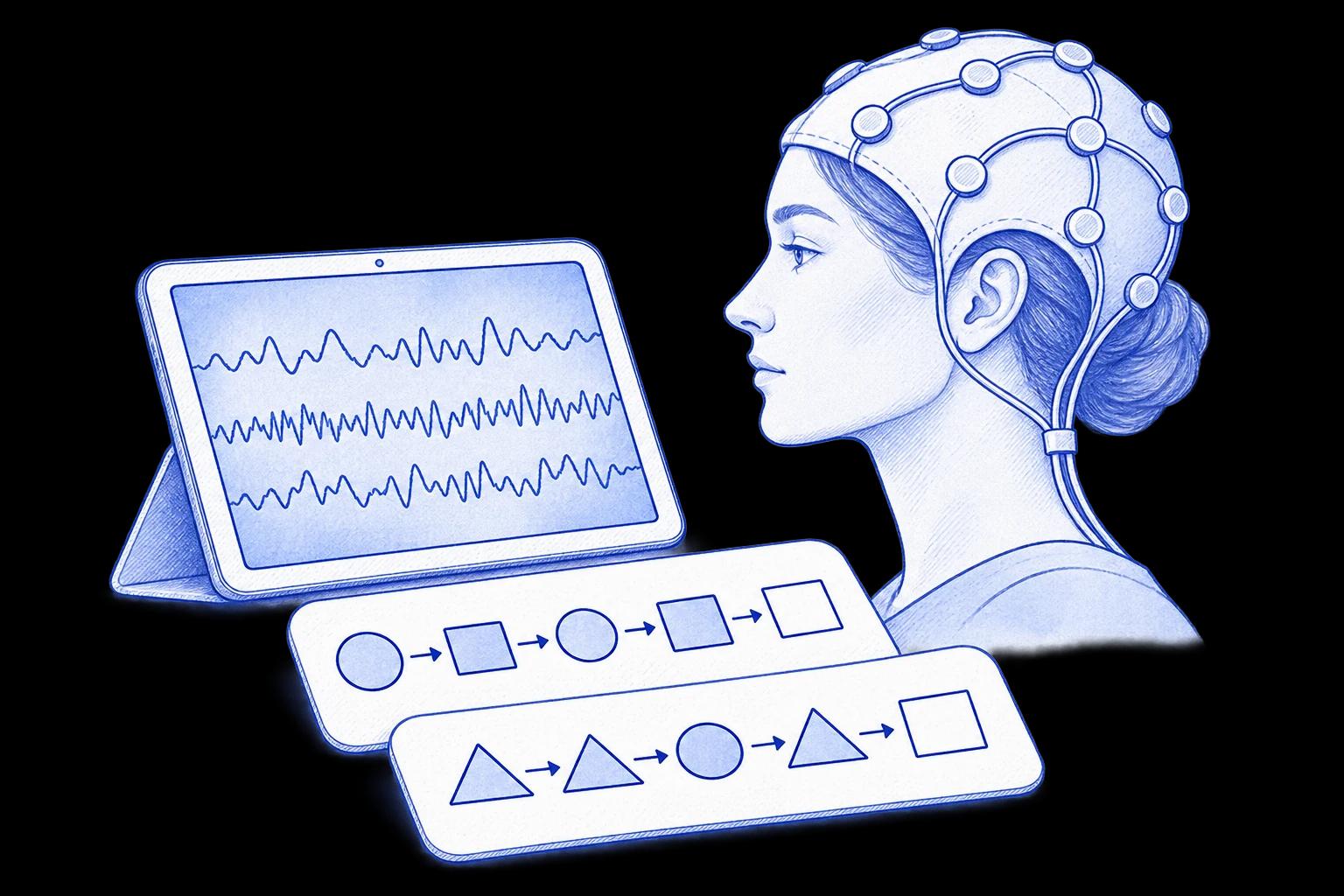
AI-generated ink illustration
Conceptual study artwork, not a photograph of teaching facilities.
Unidex · generated with ImageGen
Checked 2026-11-05
Symbolic subject artwork; no university facility depicted
Work experience
The published programme menu includes NATS-3206E, an instructor-approved science internship after at least 60 BSc credits. The Honours Thesis laboratory experience cannot also satisfy this internship.
Laurentian current degree options, study plans and course credit weightsAcademic minimum
The university publishes a 70% academic minimum, not an entering-average range.
Laurentian Ontario high-school admission requirements November 2026
| Mon | Tue | Wed | Thu | Fri | Sat | Sun |
|---|---|---|---|---|---|---|
| 1 | ||||||
| 2 | 3 | 4 | 5 | 6 | 7 | 8 |
| 9 | 10 | 11 | 12 | 13 | 14 | 15 |
| 16 | 17 | 18 | 20 | 21 | 22 | |
| 23 | 24 | 25 | 26 | 27 | 28 | 29 |
| 30 |

2027 entry
School deadline, not a student task. Universities receive these grades by November 26. Verbatim: "Deadline for the OUAC to receive all midterm or final grades available for 4U/M courses from Ontario high schools. Schools may report in-progress grades for full-year courses as soon as they are available." Universities receive these by the target date of November 26, 2026. This is a deadline on the high school, not on the student, but it governs which grades a university sees in the first round.
 Other deadline details
Verbatim: "There is no specific Undergraduate application deadline if you are a Group B applicant. Deadlines vary at each university and sometimes depend on the program. Visit the university websites or contact the universities directly for their deadlines. If you are interested in a program but the deadline has passed, you may contact the university's admission office for help. Be aware of university-specific deadlines for submitting transcripts and portfolios, if required, and for arranging interviews and auditions. You must ensure the OUAC has enough time to process your choices before the universities' program deadlines." OUAC defines Group B as anyone who does not meet the Group A criteria, e.g. not currently taking an Ontario high school course, a Canadian outside Ontario, an international applicant, a postsecondary transfer student, or a mature applicant.
 1 grade 12 English U/M course
 1 grade 12 4U Advanced Functions2 grade 12 U Science courses or 1 Science + 1 Math
Exact programme applicants; Ontario, IB, college or other named subcategory applies only to that subcategory
Ontario high-school applicants; exact programme requirements also apply
CÉGEP applicants only; programme-specific exceptions and thresholds remain applicable
Canadian College (Outside of Ontario) applicants only; programme-specific exceptions and thresholds remain applicable
External University Transfers applicants only; programme-specific exceptions and thresholds remain applicable
Mixing International Curriculum with Ontario Curriculum applicants only; programme-specific exceptions and thresholds remain applicable
College Transfer applicants only; programme-specific exceptions and thresholds remain applicable
University Transfer applicants only; programme-specific exceptions and thresholds remain applicable
Accepted Institutions for Transfer Credit applicants only; programme-specific exceptions and thresholds remain applicable
Mixing International Curriculum with Ontario Curriculum applicants only; programme-specific exceptions and thresholds remain applicable
Homeschool Applicants only; Nursing excludes mature applicants without a postsecondary degree
Mature Applicants only; Nursing excludes mature applicants without a postsecondary degree
Applicants with college studies; programme-specific prerequisites and competitive averages also apply
Named degree-option and course-catalogue menu on the current official program page. Alternatives, linked subjects and different degree routes are included; this is not a list every student takes.
Published year-group menu, including alternatives. Elective slots are separate; this is not a weekly timetable.
 BIOL-1506ELBiology I3 credits
Cell biology, genetics, respiration, photosynthesis, evolution and ecology.
BIOL-1507ELBiology II3 creditsPlant and animal structure, function, reproduction, nutrition and integrated organ systems.
 CHMI-1006ELGeneral Chemistry I3 credits
Atomic and molecular structure, nuclear chemistry, stoichiometry, periodicity and solutions.
CHMI-1007ELGeneral Chemistry II3 creditsThermodynamics, kinetics, equilibrium, acids, bases, electrochemistry and introductory organic chemistry.
 PHYS-1006ELIntroductory Physics I3 credits
Mechanics, vectors, energy, matter, thermodynamics and waves.
PHYS-1007ELIntroductory Physics II3 creditsOptics, electricity, magnetism and modern physics.
 PSYC-1105ELIntroduction to Psychology6 credits
Psychological methods, biological behaviour, development, personality, motivation, perception and learning.
Published year-group menu, including alternatives. Elective slots are separate; this is not a weekly timetable.
CHMI-2227ELBiochemistry I3 creditsStudy proteins, nucleic acids, gene expression, DNA techniques and enzyme kinetics.
CHMI-2426ELOrganic Chemistry I3 creditsExplore organic molecular structures, bonding, naming, stereochemistry and selected compound classes.
CHMI-2427ELOrganic Chemistry II3 creditsExamine the reactions of hydrocarbons and single-function organic compounds and the factors affecting them.
CHMI-3226ELBiochemistry II3 creditsExamine metabolism, its regulation, membranes, cellular signalling and photosynthesis.
CHMI-4297ELBiochemistry-Immune System3 creditsExamine immune responses at the molecular level, including antibodies, antigens, cytokines and their receptors.
NATS-3106EScientific Writing and Communication3 creditsScientific writing, abstracts, talks, posters and critical reading of research. At least 60 BSc or BEng credits, or instructor permission.
NSCI-2606EBrain and Behaviour3 creditsRelationships between brain structure, chemistry and electrical activity and sleep, memory, thought, motivation and emotion.
NSCI-2617EHuman Neuropsychology3 creditsBrain-behaviour relationships and changes after brain injury, with neurological conditions, diagnostic tests and comparisons.
NSCI-3506ENeuropharmacology3 creditsMechanisms and behavioural effects of drugs, emphasizing those used clinically, across major pharmacological classes.
NSCI-3507EBehavioural Neurobiology3 creditsNeuroanatomy, neurochemistry and brain electricity, using human and rat comparisons to study behavioural patterns.
 STAT-2126ELIntroduction to Statistics3 credits
Use statistical description, probability, hypothesis testing, correlation and regression in social sciences.
BIOL-2007ELGenetics3 creditsStudy inheritance, chromosomes, gene structure and function, mutation and statistical analysis of genetic traits.
BIOL-2026ELIntroduction to Microbiology3 creditsStudy microorganisms, especially bacteria, through classification, structure, physiology and growth.
BIOL-3026ELApplied and Environmental Microbiology3 creditsExamine environmental microbiology, microbial metabolism, applied genetics and industrial biology.
BIOL-3726ELAnimal Histology3 creditsStudy human and mammalian tissues from molecular to organ scales, including histological techniques.
BIOL-3756ELVertebrate Physiology3 creditsExamine vertebrate organ systems and mechanisms maintaining internal physiological balance.
BIOL-4797ELEnvironmental Physiology3 creditsExamine vertebrate physiological responses and adaptations to environmental conditions.
Published year-group menu, including alternatives. Elective slots are separate; this is not a weekly timetable.
CHMI-3217ELBiochemistry of Nucleic Acids3 creditsStudy genome structure, DNA replication, repair and gene-expression control. Accepted towards Biology programmes.
NATS-4005EHonours Thesis6 creditsFaculty-supervised research ending in a poster, seminar and thesis. Requires NATS 3106 and at least a B average in required second- and third-year courses.
NSCI-4706EAdvanced Neuroanatomy3 creditsBrain pathways, nuclei and chemistry related to normal and abnormal behaviour.
NSCI-4707EBehaviour and the Electromagnetic Chemical Basis of Behaviour3 creditsElectrical, magnetic and chemical correlates of learning, memory, thought, consciousness and behaviour.
NSCI-4907ECurrent Developments in the Neurosciences3 creditsCritical study of current neuroscience literature, integrating knowledge and developing oral or written scientific communication.
 PSYC-3256ELDesign and Analysis I3 credits
Design complex psychological experiments and analyze data using variance analysis, multiple regression and advanced computer methods.
BIOL-4717ELAnimal Behaviour3 creditsStudy animal behaviour through an ethological approach. May count as an elective in a Psychology concentration, major or specialization.
NATS-3206EInternship3 creditsAn instructor-approved science placement after at least 60 BSc credits. The Honours Thesis laboratory experience cannot also satisfy this internship.
 PSYC-4206EAdolescent and Adult Clinical Psychology3 credits
Adolescent and adult clinical-psychology models, assessment and counselling skills.
PSYC-4207EClinical Child Psychology3 creditsChild clinical-psychology models, assessment and clinical skills.
SCOM-4006ELis recommended as an elective.3 creditsPresenting research to audiences with different backgrounds and needs through graphics, print and oral communication.
PHYS-1206ELPhysics for the Life Sciences I3 creditsApply mechanics, energy, heat, fluids and vibrations to biological and clinical questions.
PHYS-1207ELPhysics for the Life Sciences II3 creditsApply electricity, magnetism, optics and atomic physics to biology and clinical technologies.
PSYC-2127ELScientific Method and Analysis II3 creditsStudy research methods, experimental design and inferential statistical analysis.
PSYC-2606ELBrain and Behaviour3 creditsExamine relationships between the human brain and behaviour, including memory, motivation, sleep and emotion.
PSYC-2617ELHuman Neuropsychology3 creditsStudy brain-behaviour relationships, neurological disorders and methods for evaluating brain function.
PSYC-3506ELNeuropharmacology3 creditsExamine the biochemical mechanisms and psychological effects of major drug classes, especially clinical drugs.
PSYC-3507ELBehavioural Neurobiology3 creditsStudy neuroanatomy, neurochemistry and neural electrical activity through comparisons of human and rat brains.
CHMI-4217ELBiomembranes3 creditsStudy membrane structure and function, including transport, energy transfer and receptor interactions.
PSYC-4104ELStudent's Investigation9 creditsComplete a department-authorized empirical investigation in specialized Psychology. Human or animal research requires Laurentian ethics review.
PSYC-4706ELAdvanced Neuroanatomy3 creditsStudy advanced brain circuitry, tract systems and nuclear groups, including laboratory techniques in rat neurosurgery.
PSYC-4707ELBehaviour and the Electromagnetic Chemical Basis of Behaviour3 creditsAnalyze electrical, magnetic and chemical relationships with brain function, memory, learning and behaviour.
PSYC-4907ELCurrent Developments in the Neurosciences3 creditsSynthesize and present current neuroscience research. Requires 42 Behavioural Neuroscience credits or instructor permission.
Degree variants, specializations and major options explicitly published on these selected program pages.
Biology Dentistry
 MedicineNeuroscience,PsychologyResearch,Teaching in colleges or universities
University-published career examples for Behavioural Neuroscience, including its published routes; some require further training or registration. These are examples, not ranked graduate outcomes.
Standard undergraduate · 30 credits

2026–27 · September 2026–April 2027 · Stated programme credit load · CAD
Ontario students example · Choose your category
 Tuition$6,120.31Books and supplies$1,750 est. / 8 months
 Residence
 Meal planNot estimated
Published tuition · Other charges extra
Housing and meals are outside this estimate.
Last updated


























































