



- HBA · 4 years
- Work experience details
- ~High 80s to low 90s


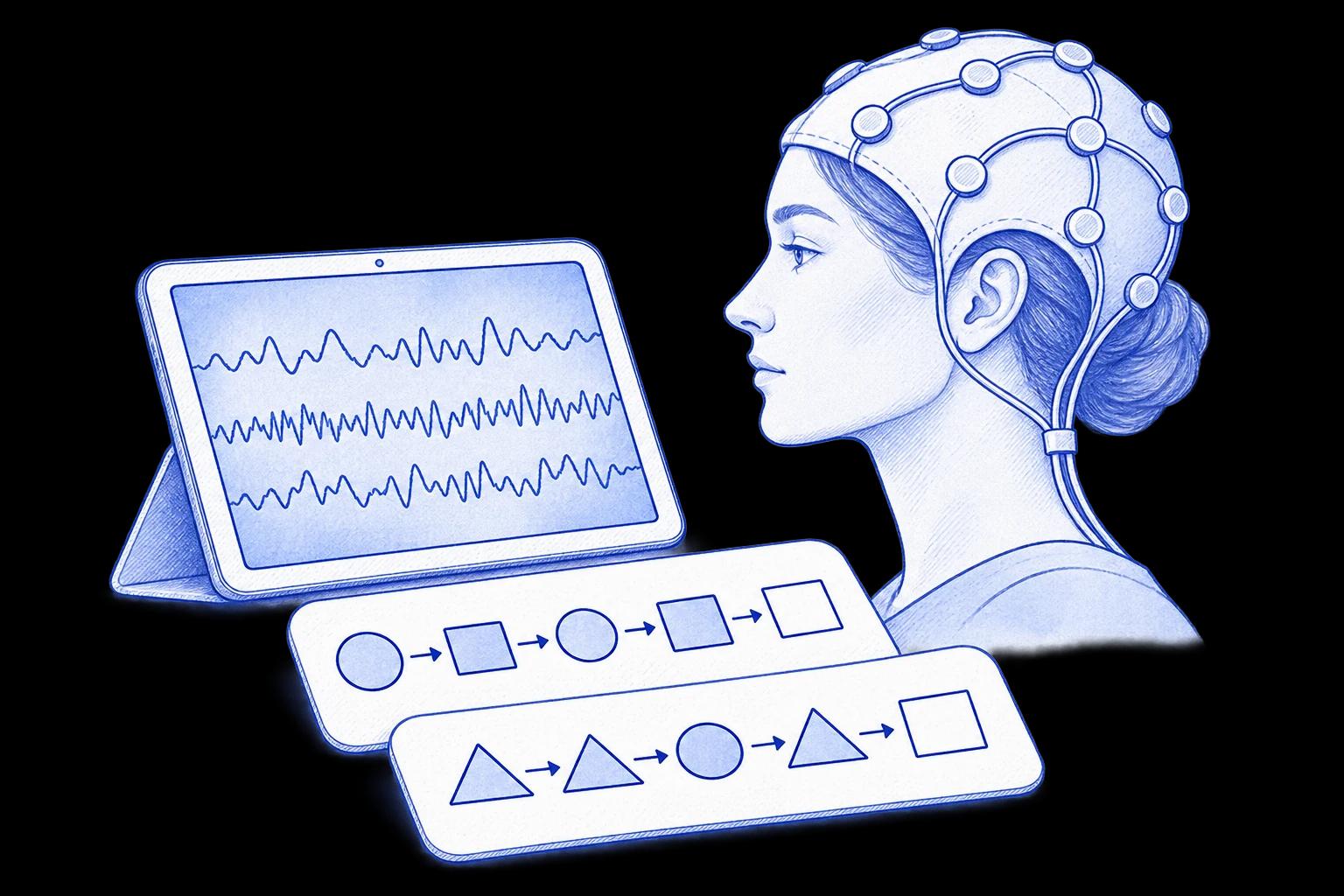
AI-generated ink illustration
Conceptual study artwork, not a photograph of teaching facilities.
Unidex · generated with ImageGen
Checked 2026-11-05
Symbolic subject artwork; no university facility depicted
Academic minimum
The university publishes a 70% academic minimum, not an entering-average range.
University of Alberta Faculty of Science degree admission averages and intake October 2026
| Mon | Tue | Wed | Thu | Fri | Sat | Sun |
|---|---|---|---|---|---|---|
| 2 | 3 | 4 | ||||
| 5 | 6 | 7 | 8 | 9 | 10 | 11 |
| 12 | 13 | 14 | 15 | 16 | 17 | 18 |
| 19 | 20 | 21 | 22 | 23 | 24 | 25 |
| 26 | 27 | 28 | 29 | 30 | 31 |

2027 entry
Admission, entrance awards and residence applications open on the same date.
 Other deadline details
ApplyAlberta publishes NO deadline dates at all on its public pages. Its How to Apply page describes the process only: verbatim, "Now you will 'Start a New Application' at the institution of your choice. You will be directed to the institution's application portal where you will apply and pay any application fees", and "All application fees are paid directly to the institution you are applying to. Each institution has its own unique application fees". Deadlines must be read from each of Alberta's 26 publicly-funded institutions.
 English Language Arts 30-1
 Mathematics 30-1
Entry terms · Fall
Published September entry.
University of Alberta Faculty of Science degree admission averages and intakeStudents planning to register in courses for Neuroscience Major or Honors.
Programme planning requirements. The faculty worksheet does not assign these courses to fixed terms. Current Neuroscience Major foundation and degree requirements.
 BIOL 107Introduction to Cell Biology
Study cell structure, how cells use energy and reproduce, and how they store and express genetic information.
UAlberta Catalogue · BIOL 107 CHEM 101Introductory University Chemistry I
Study atoms, molecules, states of matter, and the chemistry of the elements.
UAlberta Catalogue · CHEM 101 MATH 134Calculus for the Life Sciences I
Study derivatives, integrals, and the fundamental theorem of calculus in the life sciences.
UAlberta Catalogue · MATH 134 PHYS 124Particles and Waves
Study motion and waves in an algebra-based physics course for students in life, environmental, and medical sciences.
UAlberta Catalogue · PHYS 124PHYS 126Fluids, Fields, and RadiationBuild on introductory physics through fluid mechanics, gases, electric fields, circuits, and magnetism.
UAlberta Catalogue · PHYS 126 NEURO 210Introduction to Clinical Neuroscience
Explore clinical neuroscience through an interdisciplinary study of degenerative disorders of the brain.
UAlberta Catalogue · NEURO 210PHYSL 372Systems NeuroscienceStudy vertebrate nervous systems through development, movement control, and sensory processing.
UAlberta Catalogue · PHYSL 372PHYSL 210Human PhysiologyBIOL 107Introduction to Cell BiologyStudy cell structure, how cells use energy and reproduce, and how they store and express genetic information.
UAlberta Catalogue · BIOL 107CHEM 101Introductory University Chemistry IStudy atoms, molecules, states of matter, and the chemistry of the elements.
UAlberta Catalogue · CHEM 101MATH 134Calculus for the Life Sciences IStudy derivatives, integrals, and the fundamental theorem of calculus in the life sciences.
UAlberta Catalogue · MATH 134PHYS 124Particles and WavesStudy motion and waves in an algebra-based physics course for students in life, environmental, and medical sciences.
UAlberta Catalogue · PHYS 124PHYS 126Fluids, Fields, and RadiationBuild on introductory physics through fluid mechanics, gases, electric fields, circuits, and magnetism.
UAlberta Catalogue · PHYS 126 PSYCH 104Basic Psychological Processes
Study how perception, motivation, learning, and thinking shape psychological functioning.
UAlberta Catalogue · PSYCH 104Choose one 3-unit course.
MATH 136Calculus for the Life Sciences IIApply integration, differential equations, and mathematical modelling to life science problems.
UAlberta Catalogue · MATH 136 STAT 151Introduction to Applied Statistics I
Study data collection, descriptive statistics, probability, estimation, hypothesis testing, and regression.
UAlberta Catalogue · STAT 151Career examples have not been verified for this page.
Official program page
Programme-specific fees are unavailable.
Last updated

























































